
World Arthritis Day: Regenerative Medicine Brings New Hope for Arthritis
World Arthritis Day is an opportunity to recognize the millions of people living with arthritis and the daily challenges it can bring, including persistent pain

World Arthritis Day is an opportunity to recognize the millions of people living with arthritis and the daily challenges it can bring, including persistent pain
Alzheimer’s disease is a leading public health concern worldwide. More
An educational review based on evidence available through 2026 Hamstring
Timely diagnosis, multidisciplinary follow-up, and the development of new therapies have changed the care of Duchenne muscular dystrophy,

When we think about disease prevention, we often think about adulthood. But our long-term health story begins much earlier. From conception through childhood and adolescence,
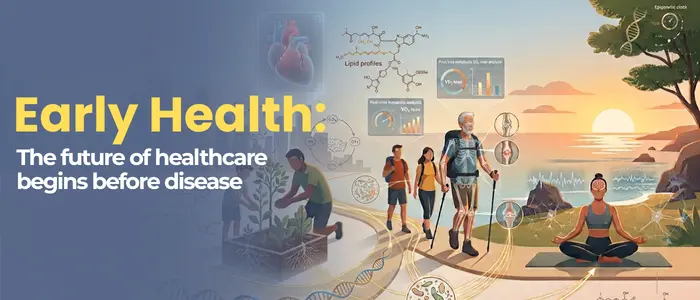
For decades, healthcare has focused on diagnosing and treating disease after symptoms appear. While this approach has saved countless lives, today’s medical advances
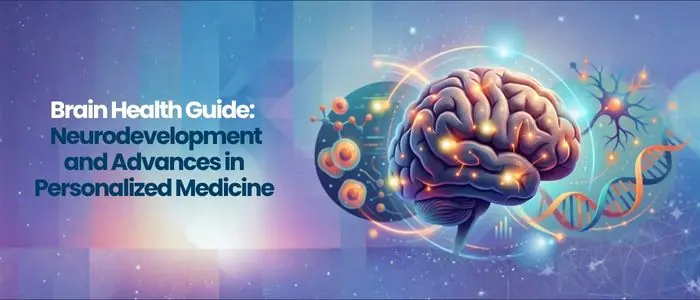
The human brain is one of the most complex organs in the body, controlling cognition, movement, memory, emotions, and behavior. Brain health begins before
World Stem Cell Day [KG1.1](October 14 2026) gives us a meaningful chance to reflect on the remarkable ways our bodies regenerate and how science is turning that natural process into targeted therapies.
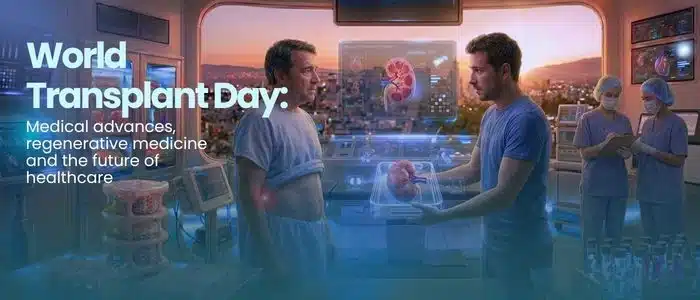
World Transplant Day serves as a global reminder of the transformative impact of organ and tissue transplantation in modern medicine. For decades, transplantation has provided life-saving treatment for patients with end-stage organ failure, offering renewed hope where therapeutic options were once limited.
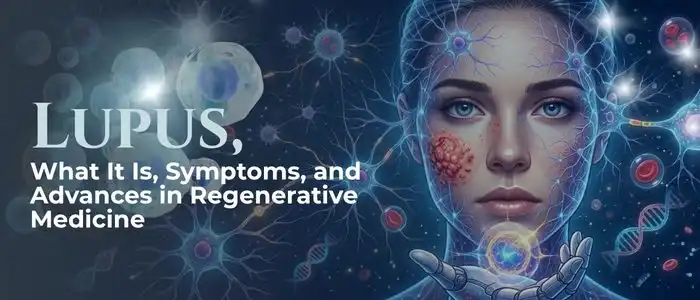
Every year on May 10th, World Lupus Day raises awareness of lupus, a complex autoimmune condition affecting millions of people worldwide.
Lupus can impact the skin, joints, kidneys, brain, and other organs. It is often unpredictable, with symptoms that vary over time, making diagnosis and long-term management challenging.
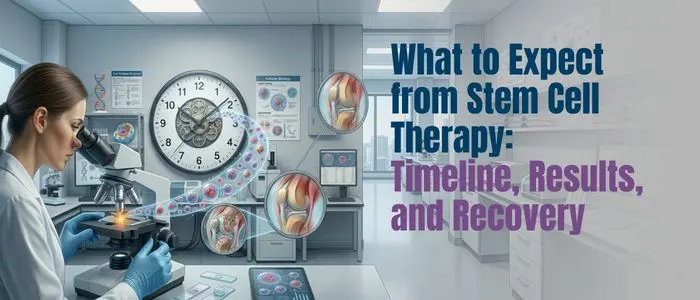
Mesenchymal stem cells (MSCs) are naturally occurring cells in the body that play an important role in healing and repair. They can develop into different types of tissues, including bone, cartilage, fat, and muscle
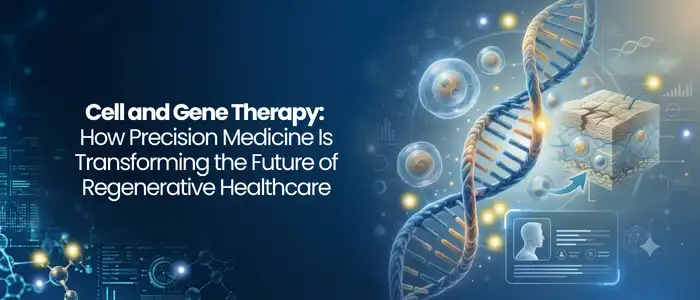
Advances in cell therapy, gene therapy, regenerative medicine, and precision medicine are redefining how physicians and researchers approach the treatment of inherited diseases, immune disorders
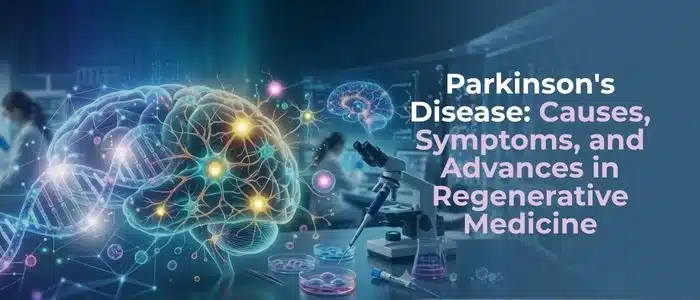
World Parkinson’s Day, observed annually on April 11, serves as a global reminder of the growing burden of Parkinson’s disease and the urgent need to move beyond purely symptomatic treatment approaches. While Parkinson’s disease has traditionally been classified as an age-related neurodegenerative disorder, it is now increasingly recognized as a progressive, multi-system condition that evolves over decades and begins long before clinical diagnosis.
Healthcare is evolving. People today don’t just want to treat symptoms. They want real results: more energy, stronger resilience, and a life lived at full vitality. This is where holistic health and regenerative medicine come in. Together, they form a powerful partnership to transform how we heal.
This is where holistic health and regenerative medicine come together.
Holistic health doesn’t just ask, “What’s wrong?” It asks, “How can we make you thrive?” It addresses your body, mind, and lifestyle as a unified whole(1). Regenerative medicine takes it even further by unlocking your body’s own ability to repair and transform itself from within (2,3).
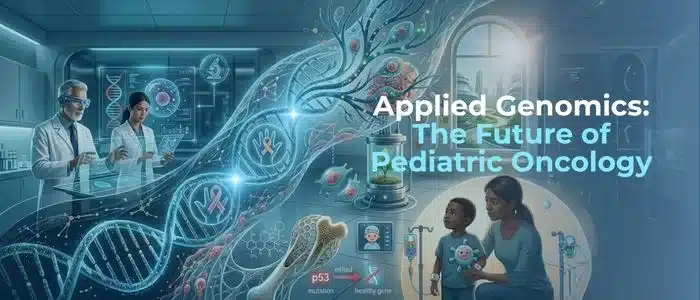
For most of us, life’s deepest aspirations are universal: spending time with family, enjoying good health, traveling, feeling at peace, building a future, and living without worry. But when a child is diagnosed with cancer, those dreams change. Suddenly, the aspirations are no longer about the future, they become about the present. About relief from pain, the ability to walk, to play, to smile, and to spend time with loved ones. About having, even for a moment, a “normal” life.
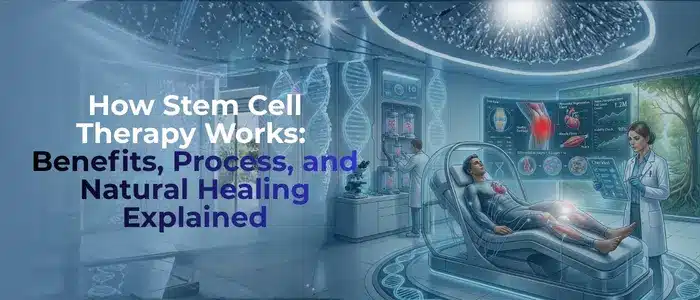
Stem cells are often called the body’s “building blocks.” They are undifferentiated, or
“blank,” cells that have not yet specialized into specific cell types such as muscle,
nerve, or blood cells (1,2,8). Their unique ability to develop into various cell types
makes them invaluable for medical treatments.
World Congenital Malformations Day, observed every year on March, raises global awareness about congenital conditions, health disorders present from birth that affect millions of people worldwide. The initiative highlights the importance of prevention, early diagnosis, research, and improved treatment options.

In recent years, stem cell therapy and fasting have gained attention for their potential health benefits. Both approaches are studied for their roles in healing, regeneration, and overall wellness. Emerging research suggests that fasting may enhance stem cell activity, offering new possibilities for regenerative medicine. However, it is essential to understand the science, benefits, and risks before considering these practices.
Imagine a therapy designed just for you, where every stem cell is selected based on your DNA, your immune system, and your health needs.
For many patients’ facing chronic disease, autoimmune conditions, or cancer, conventional treatments manage symptoms but cannot repair or restore the body. Stem cell therapy changes this, offering regenerative solutions that can repair damaged tissues, modulate the immune system, and restore function.

Living with Crohn’s disease or ulcerative colitis presents significant challenges due to persistent symptoms, flare-ups, and the adverse effects associated with conventional treatments. Regenerative medicine and orthobiologics represent emerging therapeutic strategies that aim to support the body’s natural healing processes and promote tissue regeneration

Diabetes mellitus remains one of the most pervasive chronic diseases worldwide, affecting millions and imposing a lifelong burden of blood sugar management, complications, and lifestyle adjustments. Type 1 diabetes (T1D) arises from autoimmune destruction of insulin-producing pancreatic beta cells, while type 2 diabetes (T2D) is characterized by insulin resistance and progressive beta cell dysfunction. Traditional therapies, including insulin, oral medications, and lifestyle interventions, control blood sugar but cannot restore the body’s natural insulin production or reverse disease progression [1,2].
Mental health is a fundamental component of overall well-being, and its impairment represents a growing challenge for modern medicine. Disorders such as depression, anxiety, post-traumatic stress, and other neuropsychiatric conditions affect millions of people worldwide, impacting not only emotional well-being but also physical and social health.

Every year, World Rheumatic Disease Day raises awareness about chronic autoimmune conditions such as rheumatoid arthritis (RA), systemic lupus erythematosus (SLE), systemic sclerosis, and Sjögren’s syndrome. These conditions not only affect joints and connective tissues but can also damage internal organs, causing significant pain and disability that impair quality of life.
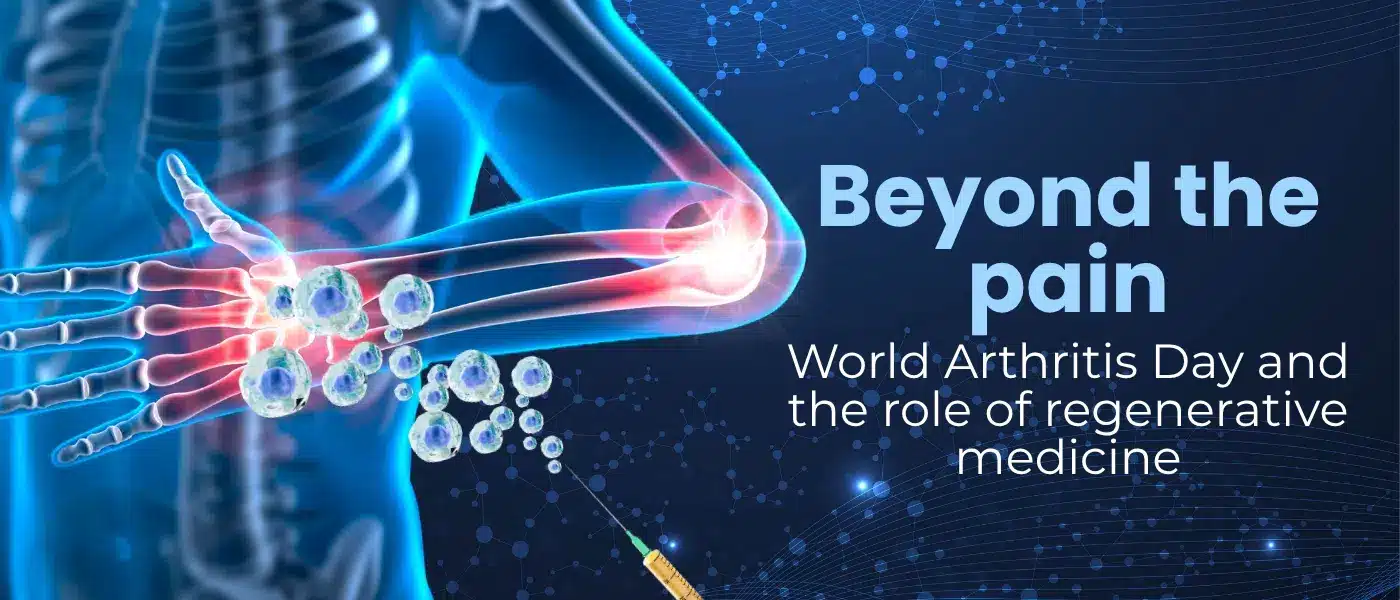
World Arthritis Day (WAD) takes place every year on October 12—in 2025, it falls on Sunday— to spotlight the lived experiences of individuals affected by arthritis and related rheumatic and musculoskeletal diseases (RMDs). First launched in 1996 by Arthritis and Rheumatism International, and now supported worldwide by organizations like EULAR, WAD serves as a global platform to promote awareness, encourages early detection, advocate for effective treatments, and strengthen support for patients and caregivers.
Your heart is extraordinary. Day and night, without a break, it contracts more than 100,000 times a day to keep you alive. No machine we’ve ever built can match its endurance.
But what happens when this engine falters? For decades, medicine has relied on bypass surgeries, stents, and even transplants. These can save lives, but they’re more like rerouting the fuel lines than fixing the motor itself.

Tick-tock, tick-tock… every breath counts. Lung cancer remains one of the most devastating diseases worldwide, claiming millions of lives each year. Traditional therapies -surgery, chemotherapy, radiation- have advanced, yet challenges such as drug resistance, relapse, and reduced quality of life remain. Today, however, a new frontier is emerging: regenerative medicine and stem cell–based therapies

Every year on September 8th, the world observes World Cystic Fibrosis Day, a day dedicated to raising awareness of one of the most common inherited disorders and honoring the resilience of those who live with it. Cystic fibrosis (CF) affects more than 100,000 people worldwide, with thousands of new diagnoses each year.
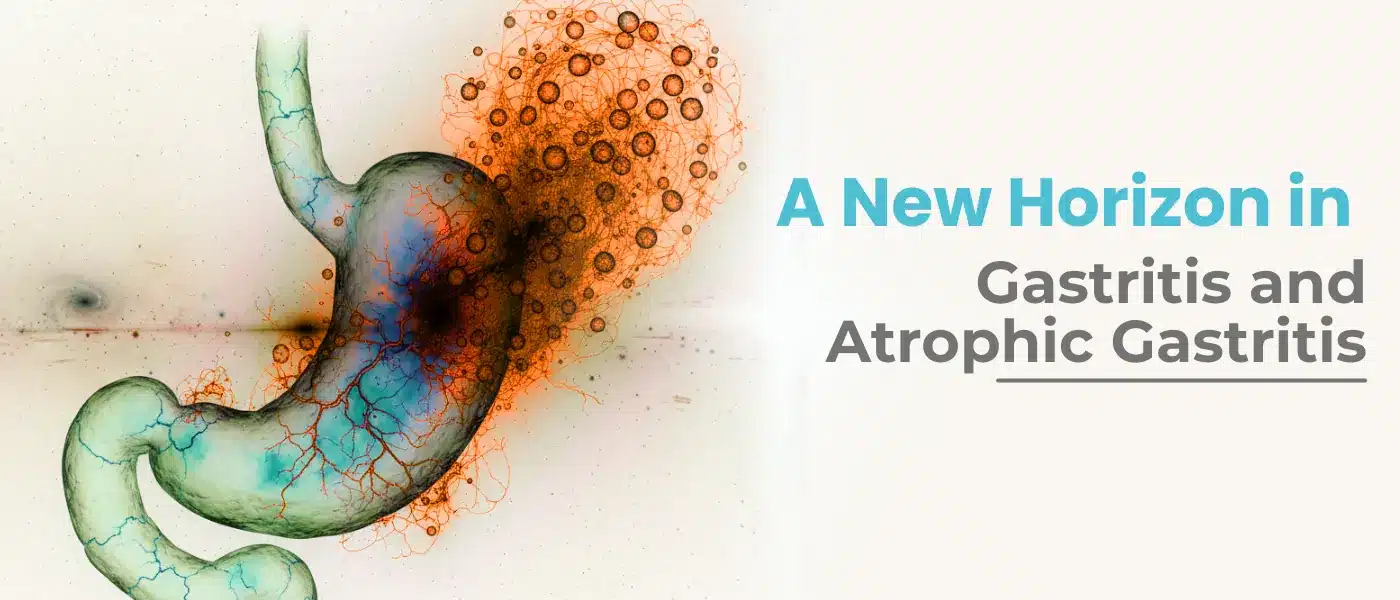
This article explores the role of stem cells in gastritis and atrophic gastritis, examining their function in gastric mucosal repair and the impact of chronic inflammation. It also investigates stem cell dysregulation during atrophic progression and their potential as biomarkers of disease severity. By analyzing regenerative therapy prospects and challenges, this discussion highlights the biological significance and therapeutic potential of stem cells, considering the gastric microenvironment, particularly the gut microbiome as a critical determinant of success.
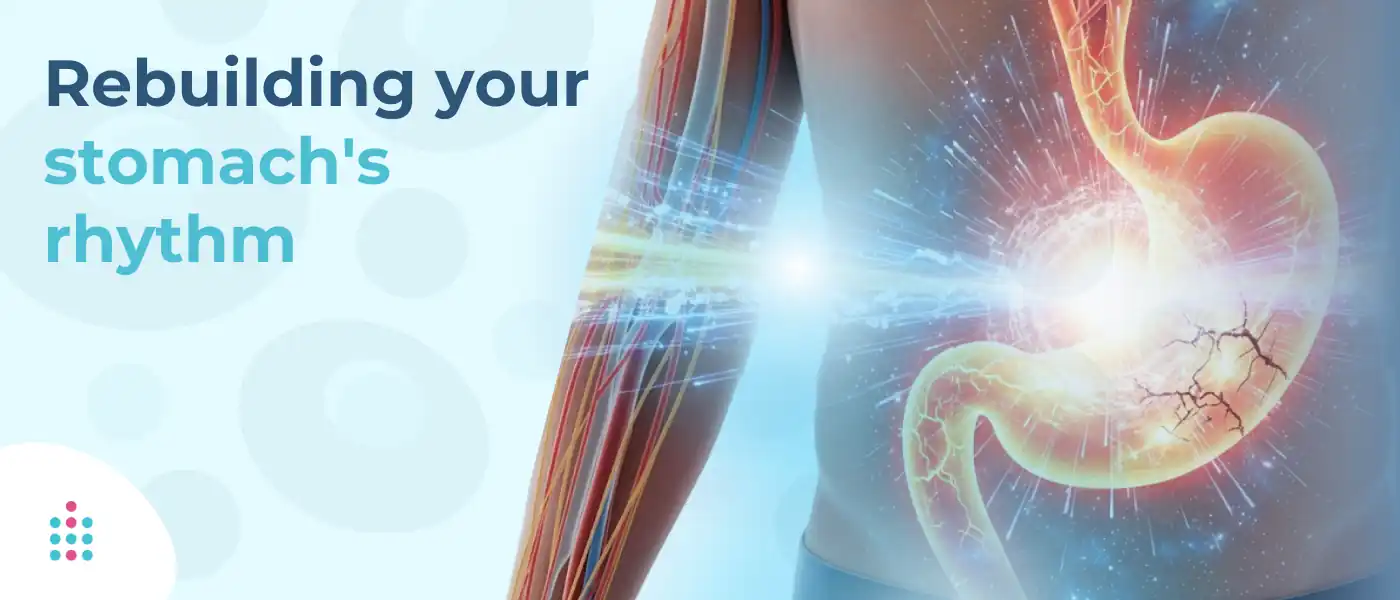
Imagine finishing a meal and hours later still feeling bloated, nauseous, or exhausted. For millions living with gastroparesis, this is a daily reality. Often called “delayed gastric emptying,” gastroparesis disrupts the normal movement of food from the stomach to the small intestine, leading to chronic nausea, vomiting, bloating, pain, and even malnutrition.
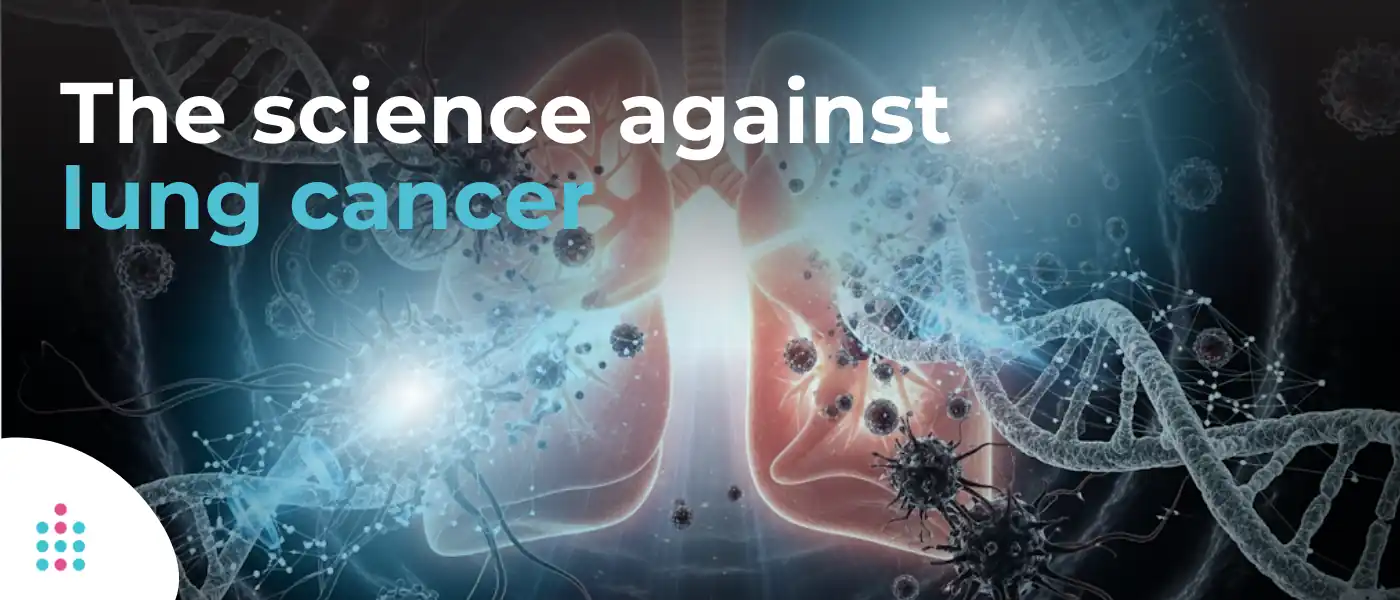
Lung cancer remains one of the most common and serious types of cancer worldwide. However, significant breakthroughs in science and medicine are giving us more tools than ever before to better understand, detect, and treat this complex disease.
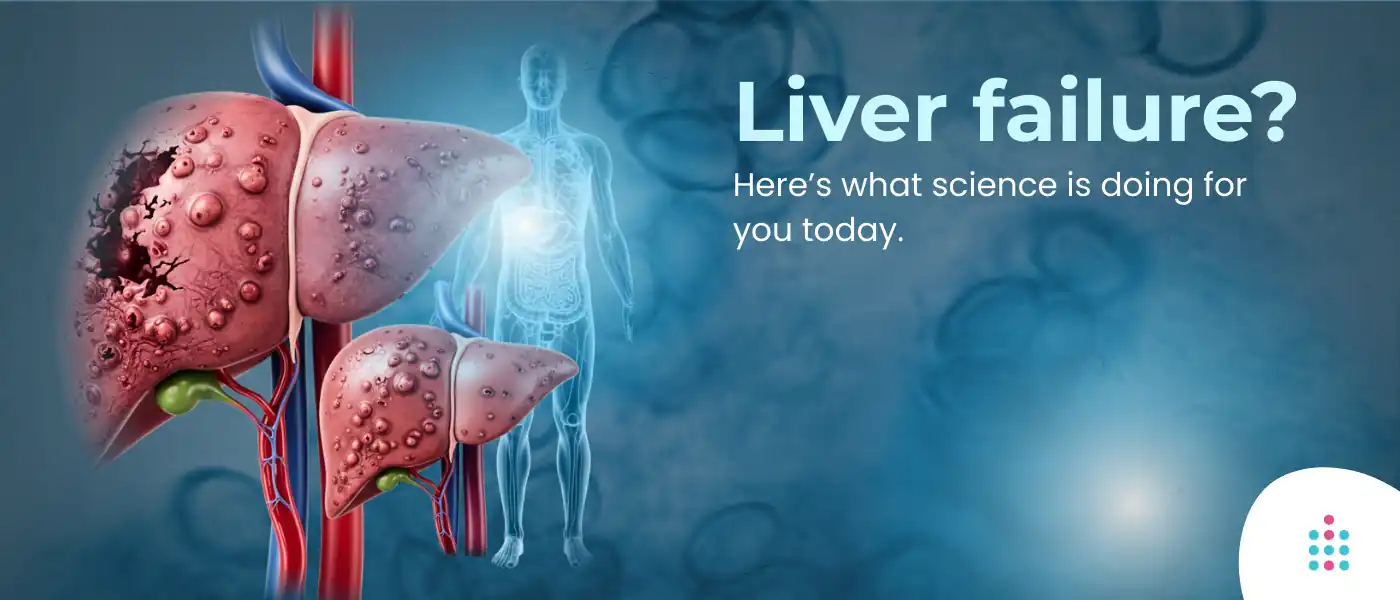
The liver doesn’t get much attention until it stops working. Quietly, behind the scenes, it handles detoxification, regulation, and restoration. But when the liver begins to fail, everything changes. Suddenly, fatigue, jaundice, swelling, and brain fog aren’t just medical symptoms, they’re daily struggles that reshape lives.
Amyotrophic Lateral Sclerosis (ALS) is a rapidly progressive neurodegenerative disease that primarily targets the motor neurons in the brain and spinal cord. As these nerve cells die, people begin to have muscle weakness and difficulty with involuntary muscle functions such as speaking, breathing and swallowing. Life expectancy is estimated 3–5 years from symptom onset, however, there is substantial individual variation.
At Stemwell – Regenerative Medicine, our mission is to merge innovation with evidence-based science to improve outcomes for patients. As we observe the European Day for Skin Cancer Prevention on June 13th, we take this opportunity to raise awareness about sun safety and explore ongoing scientific research in regenerative medicine related to skin health.
Hypertension, a leading global health concern, contributes significantly to cardiovascular morbidity and mortality. Traditional antihypertensive treatments, while effective for many, do not address the underlying pathophysiological mechanisms in all patients. Recent advances in regenerative medicine have spotlighted stem cell and exosome therapies as promising avenues for innovative hypertension treatments

World Hemophilia Day, observed every April, is a global campaign to increase awareness of hemophilia and other inherited bleeding disorders. While the traditional management of hemophilia has focused on replacement therapy using clotting factor concentrates, recent advances in regenerative medicine and stem cell research are opening new avenues for potentially curative interventions.

Autism Spectrum Disorder (ASD) is a complex neurodevelopmental condition characterized by challenges in social interaction, communication, and repetitive behaviors. Emerging research suggests that neuroinflammation and immune dysregulation may contribute to its pathophysiology (Hughes et al., 2022). At Stemwell Health in Bogotá, Colombia, we are dedicated to exploring advanced, evidence-based therapies, including stem cell therapy, hyperbaric oxygen therapy (HBOT), and integrative physical therapies, to support individuals with ASD.

Welcome to Stemwell Regenerative Medicine in Bogotá, Colombia. Our purpose is to help patients move forward with clarity, structure, and confidence through a model that integrates precision medicine and regenerative medicine, supported by science, good clinical practices, and a strong ethical foundation.
Stem cell therapy has become one of the most promising advances in modern medicine, offering patients new hope for recovery, healing, and improved quality of life. But one of the most common and important questions patients ask is: how long do the effects of stem cell therapy actually last?Stem cell therapy has become one of the most promising advances in modern medicine, offering patients new hope for recovery, healing, and improved quality of life. But one of the most common and important questions patients ask is: how long do the effects of stem cell therapy actually last?
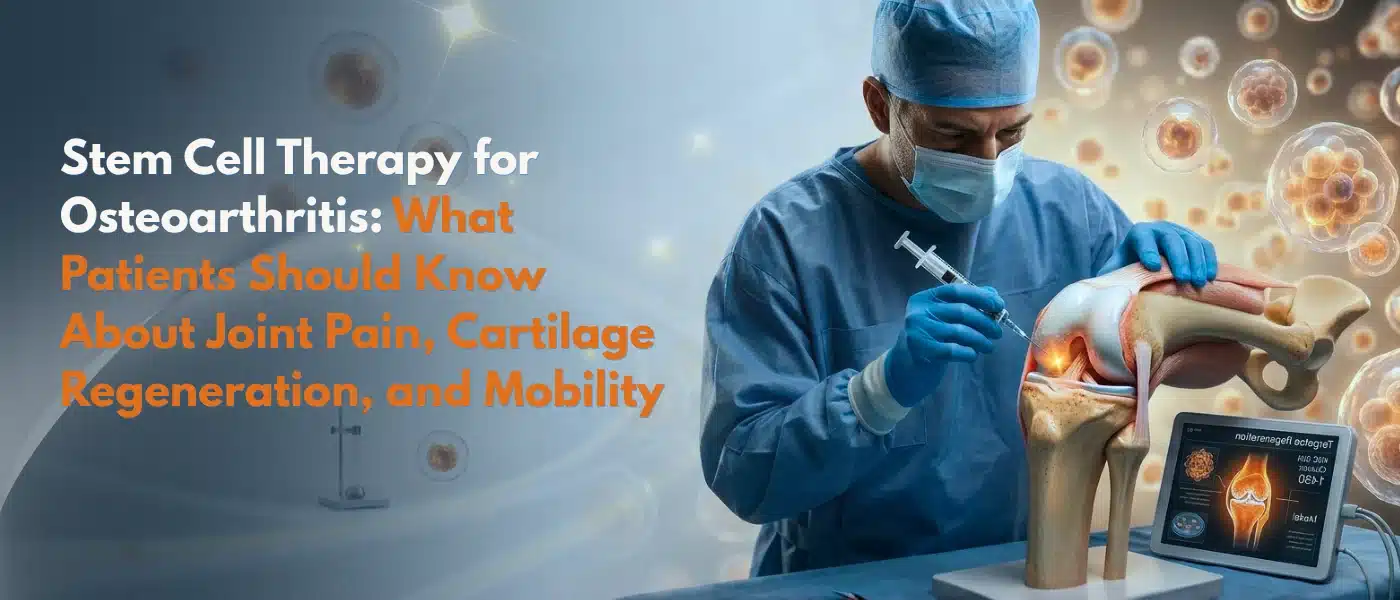
Osteoarthritis is one of the most common causes of chronic joint pain, stiffness, and reduced mobility worldwide. Over time, everyday activities such as walking, climbing stairs, or exercising may become increasingly difficult.
In the evolving world of regenerative medicine, stem cell therapy is quickly emerging as a beacon of hope with exciting possibilities to improve a wide range of diseases, damages, and disorders.
This innovative treatment harnesses the natural power of stem cells, showing great promise in several medical areas, including immune modulation, cell differentiation, and the reduction of inflammation.
Stem cells are often called the body’s “building blocks.” They are undifferentiated, or
“blank,” cells that have not yet specialized into specific cell types such as muscle,
nerve, or blood cells (1,2,8). Their unique ability to develop into various cell types
makes them invaluable for medical treatments.
