

World Parkinson’s Day
World Parkinson’s Day, observed annually on April 11, serves as a global reminder of the growing burden of Parkinson’s disease and the urgent need to move beyond purely symptomatic treatment approaches. While Parkinson’s disease has traditionally been classified as an age-related neurodegenerative disorder, it is now increasingly recognized as a progressive, multi-system condition that evolves over decades and begins long before clinical diagnosis.
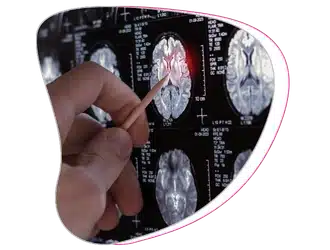
In the era of genomics, regenerative medicine, and precision health, there is a growing shift toward earlier risk prediction and biologically targeted interventions. Advances in genetic testing, biomarker discovery, and systems biology are reshaping how neurodegenerative diseases are understood, enabling a transition from reactive care to predictive and preventive models. However, it is important to note that many regenerative and genomic-based therapeutic approaches remain investigational and are not yet part of standard clinical care [1,2].
Parkinson’s Disease as a Systemic, Multi-Factorial Disorder
Parkinson’s disease is no longer viewed as a condition limited to dopaminergic neuron loss in the substantia nigra. Instead, it is understood as a complex, heterogeneous disorder involving multiple interconnected biological systems [3]. Key pathological mechanisms include chronic neuroinflammation, mitochondrial dysfunction, oxidative stress, impaired autophagy, and pathological aggregation of alpha-synuclein. These processes interact in self-reinforcing cycles that gradually drive neurodegeneration and contribute to variability in symptom onset and progression [4].
Parkinson’s disease is also broadly categorized into:
- Sporadic cases (≈85–90%), driven by complex interactions between genetic susceptibility and environmental exposures
- Genetic (monogenic) cases (≈10–15%), associated with mutations in genes such as LRRK2, SNCA, PARK2, and PINK1
This distinction highlights that Parkinson’s is not primarily a single-gene disorder in most patients, but rather a multifactorial disease shaped by both inherited and environmental influences. Environmental and lifestyle factors, including aging, pesticide exposure, heavy metals, traumatic brain injury, sleep disruption, and metabolic dysfunction also contribute significantly to disease risk and progression. Emerging evidence further suggests a role for the gut–brain axis, where early pathological changes in the enteric nervous system and microbiome dysregulation may precede motor symptoms by years or even decades.
Together, these insights support a systems-level understanding of Parkinson’s disease and reinforce the importance of holistic approaches that combine pharmacological treatment with lifestyle optimization, including physical activity, sleep regulation, stress reduction, and nutritional support.
Biomarkers and Early Detection in Parkinson’s Disease
A critical advancement in Parkinson’s research is the development of biomarkers that enable earlier and more accurate detection of disease processes before the onset of overt motor symptoms. These include:
- Seed amplification assays (e.g., α-synuclein RT-QuIC) for detecting misfolded protein activity
- Neuroimaging techniques such as DAT-SPECT to assess dopaminergic integrity
- Cerebrospinal fluid and blood-based biomarkers under active investigation
- Digital biomarkers, including wearable-based gait, tremor, and sleep pattern analysis
These tools are reshaping Parkinson’s disease from a clinically diagnosed condition to one that may eventually be identified in a pre-symptomatic or prodromal stage, supporting earlier intervention strategies.
Regenerative Medicine and Neurorestoration: The Role of Stemwell
Regenerative medicine represents a promising frontier in Parkinson’s disease research, with the long-term goal of restoring or replacing damaged neural circuits rather than solely managing symptoms. Organizations such as Stemwell are contributing to the development of investigational regenerative approaches aimed at neural repair and functional restoration. In Parkinson’s disease, this includes strategies focused on restoring dopaminergic neuron populations, enhancing synaptic connectivity, and promoting neuroplasticity within affected brain networks [5].
Emerging approaches under investigation include:
- Stem cell–derived neuronal transplantation
- Neurotrophic factor delivery systems
- Tissue engineering and bio-scaffold technologies
While these strategies show significant scientific promise, most remain in early-stage research or clinical trial phases. Their future success will depend on demonstrating long-term safety, functional integration, and reproducible clinical benefit.
Genomics and Precision Neurology: The Role of DNA GTx
Genomic science is transforming Parkinson’s disease research by enabling the identification of genetic variants associated with disease susceptibility, progression, and therapeutic response. The work of DNA GTx focuses on translating genomic data into clinically meaningful insights that support precision medicine. In Parkinson’s disease, key genes such as LRRK2, SNCA, PARK2, and PINK1 are associated with mitochondrial function, protein homeostasis, and cellular stress response pathways [6].
However, most Parkinson’s cases arise from polygenic and multifactorial influences rather than single-gene mutations. This reinforces the importance of integrating genomic data with environmental, metabolic, and lifestyle factors to build a comprehensive risk and progression profile.
Through this integrated approach, precision medicine in DNA GTx aims to identify individual vulnerability patterns and support earlier, more personalized intervention strategies.

Integrating Genomics, Regeneration, and Systems Medicine
The future of Parkinson’s disease care lies in the integration of multiple scientific disciplines rather than isolated innovations. Genomics provides insight into disease susceptibility, regenerative medicine offers potential tools for cellular repair, and systems biology helps explain how interconnected physiological networks influence disease progression.
Together, these fields form the foundation of a predictive, preventive, and personalized healthcare model. In this framework, organizations such as Stemwell and DNA GTx represent the convergence of scientific innovation and translational medicine, bridging the gap between research and clinical application [7].
Importantly, this integrated model also acknowledges biological complexity: disease progression is not linear but emerges from dynamic interactions between genetics, environment, aging, and cellular resilience.
A Unified Vision for the Future of Parkinson’s Care
The future of Parkinson’s disease management is moving toward a unified, systems-based model that combines early genetic risk assessment, biomarker-driven detection, regenerative research, and individualized care strategies. This represents not only a technological evolution but also a conceptual shift in how disease is defined. Parkinson’s disease is increasingly viewed not as an inevitable consequence of aging, but as a modifiable biological process influenced across the lifespan by genetic and environmental factors.
As we reflect on World Parkinson’s Day, this integrated perspective offers a forward-looking vision: one in which early detection, prevention, and regenerative strategies converge to transform outcomes and redefine the trajectory of neurodegenerative disease care.
References
- Rocha, Emily, Manish Chamoli, Shankar J. Chinta, Julie K. Andersen, Ruby Wallis, Erwan Bezard, Matt Goldberg et al. “Aging, Parkinson’s disease, and models: what are the challenges?” Aging biology1 (2023): e20230010.
- Bloem, Bastiaan R., Michael S. Okun, and Christine Klein. “Parkinson’s disease.” The Lancet397, no. 10291 (2021): 2284-2303.
- Ogonowski, Natalia S., Luis M. García-Marín, Amali S. Fernando, Victor Flores-Ocampo, and Miguel E. Rentería. “Impact of genetic predisposition to late-onset neurodegenerative diseases on early life outcomes and brain structure.” Translational Psychiatry14, no. 1 (2024): 185.
- Costa, Helena Nunes, Ana Raquel Esteves, Nuno Empadinhas, and Sandra Morais Cardoso. “Parkinson’s disease: a multisystem disorder.” Neuroscience Bulletin39, no. 1 (2023): 113-124.
- Key biological processes – including chronic neuroinflammation, mitochondrial dysfunction, oxidative stress, impaired autophagy, and pathological protein aggregation (notably alpha-synuclein)—interact in complex and self-reinforcing ways.
- Tahir, Fatima, and Arsalan Tahir. “Regenerative medicine and stem cell therapy: advancements and future potential.” Wah Academia Journal of Health and Nutrition1, no. 1 (2025): 19-30.
- Jahan, Israt, Mohammad Harun-Ur-Rashid, Md Aminul Islam, Farhana Sharmin, Soad K. Al Jaouni, Abdullah M. Kaki, and Samy Selim. “Neuronal plasticity and its role in Alzheimer’s disease and Parkinson’s disease.” Neural Regeneration Research21, no. 1 (2026): 107-125.
Ready to learn more about stem cell therapy?

At Stemwell, our team of doctors are highly skilled in successfully supporting thousands of people with a range of stem cell treatments. If you would like to learn more about stem cell therapy you can contact us with any questions, or apply today to check your eligibility.
