

The liver doesn’t get much attention until it stops working. Quietly, behind the scenes, it handles detoxification, regulation, and restoration. But when the liver begins to fail, everything changes. Suddenly, fatigue, jaundice, swelling, and brain fog aren’t just medical symptoms, they’re daily struggles that reshape lives.
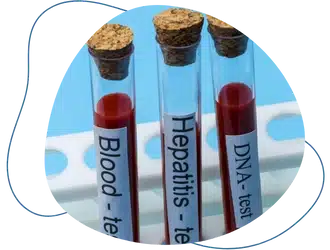
Liver failure can be the result of many things: chronic hepatitis, autoimmune diseases, alcohol-related damage, or even sudden acute injury. Whatever the cause, the consequences tend to hit fast and hard.
For many, the traditional path in medicine leads to a single solution: liver transplantation. But not everyone qualifies. Some wait too long for a donor; others aren’t strong enough to undergo the surgery. And for many more, the question lingers “what else can I do?”
That’s the question we ask every day at Stemwell.
Looking Beyond the Limits of Conventional Care
Regenerative medicine doesn’t aim to replace traditional care. Instead, it opens the door to helping the body heal itself. When it comes to liver disease, this means reducing inflammation, regenerating damaged tissue, and supporting better overall function.
Current studies show that mesenchymal stem cells (MSCs) may aid liver regeneration through powerful anti-inflammatory, anti-fibrotic, and immune-regulating effects (Shi et al., 2017; Liu et al., 2015).
We support patients facing:
- Cirrhosis (alcoholic, viral, or autoimmune)
- Fatty liver disease (NAFLD/NASH)
- Chronic hepatitis B and C
- Liver damage from toxins or medications
- Complications from portal hypertension
Many of these patients have been told to “wait and monitor.” But waiting often feels like standing still while time runs out.
What We Do at Stemwell
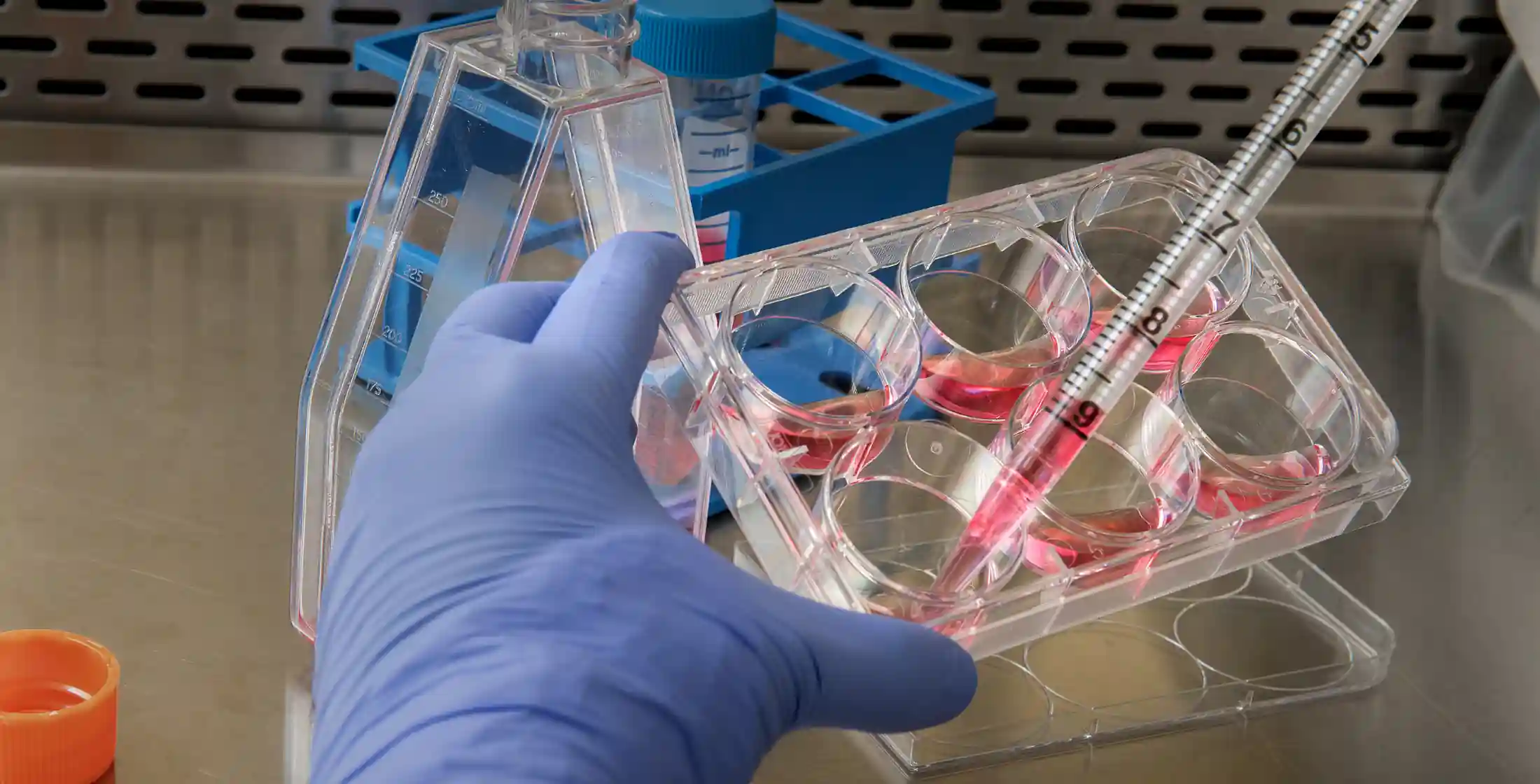
At Stemwell, we take a personalized, integrative approach to liver care. Our care approach is personalized and comprehensive. We focus on regenerative protocols centered around the clinical use of MSCs, which may:
- Help liver cells regenerate and protect against further cell death (Kharaziha et al., 2009)
- Calm the immune system and reduce autoimmune liver attacks
- Reverse fibrosis and help rebuild liver structure (Zhang et al., 2012)
- Improve liver function and overall quality of life in people with cirrhosis
What sets us apart is the added precision we bring through our partnership with DNA GTx. By using advanced genomic and metabolic testing, we design therapies that are fine-tuned to each patient’s biology; not a generic, one-size-fits-all solution
Real People, Real Stories
We often meet patients after years of progressive liver decline. Some are already preparing for transplants; others feel like they’ve reached a dead end. While we don’t offer miracle cures, we have seen meaningful changes:
- Liver enzyme levels improving
- Less fatigue and mental fog
- Better control over fluid retention and inflammation
- More energy, better appetite, and improved daily living
These improvements match findings in clinical research that suggest MSC therapy may be a safe and promising option for those with advanced liver issues (Xu et al., 2014; El-Ansary et al., 2020).
Sometimes, what matters most is not a cure but a renewed sense of direction.
The Liver Wants to Heal, Let’s Help It
Even in advanced disease, the liver holds an incredible ability to repair itself. The key is giving it the right support: the right environment, signals, and cellular tools.
At Stemwell, we see science as a partner in healing, always evolving, always pushing toward better outcomes. With regenerative medicine and precision therapies, we offer a blend of innovation, empathy, and personalized care.
If you or someone you love is facing liver failure or advanced liver disease, there may still be options. Contact our medical team or visit [stemwell.co] to learn more about regenerative liver care and how we personalize each protocol for meaningful outcomes.
References
- Shi M et al. “Regenerative effects of human mesenchymal stem cells on the liver.” Oncotarget. 2017.
- Liu WH et al. “Therapeutic potential of human umbilical cord-derived mesenchymal stem cells in liver failure.” Stem Cell Research & Therapy. 2015.
- Kharaziha P et al. “Improvement of liver function in liver cirrhosis patients after autologous mesenchymal stem cell injection.” Arch Iran Med. 2009.
- Zhang Z et al. “Therapeutic effects of mesenchymal stem cells in liver fibrosis.” Hepatology. 2012.
- Xu L et al. “Autologous bone marrow stem cell transplantation for liver failure: A randomized controlled clinical trial.” Hepatology. 2014.
- El-Ansary M et al. “Mesenchymal stem cells in liver failure: An update.” Journal of Hepatology. 2020.
Ready to learn more about stem cell therapy?

At Stemwell, our team of doctors are highly skilled in successfully supporting thousands of people with a range of stem cell treatments. If you would like to learn more about stem cell therapy you can contact us with any questions, or apply today to check your eligibility.
