

World Transplant Day - June 6
World Transplant Day serves as a global reminder of the transformative impact of organ and tissue transplantation in modern medicine. For decades, transplantation has provided life-saving treatment for patients with end-stage organ failure, offering renewed hope where therapeutic options were once limited.
However, despite remarkable clinical advances, significant challenges remain. Organ shortages, immune rejection, lifelong immunosuppression, and variable long-term outcomes continue to affect millions of patients worldwide. These limitations have prompted a broader scientific shift, from viewing transplantation solely as organ replacement toward understanding it as part of a larger regenerative and precision medicine framework.
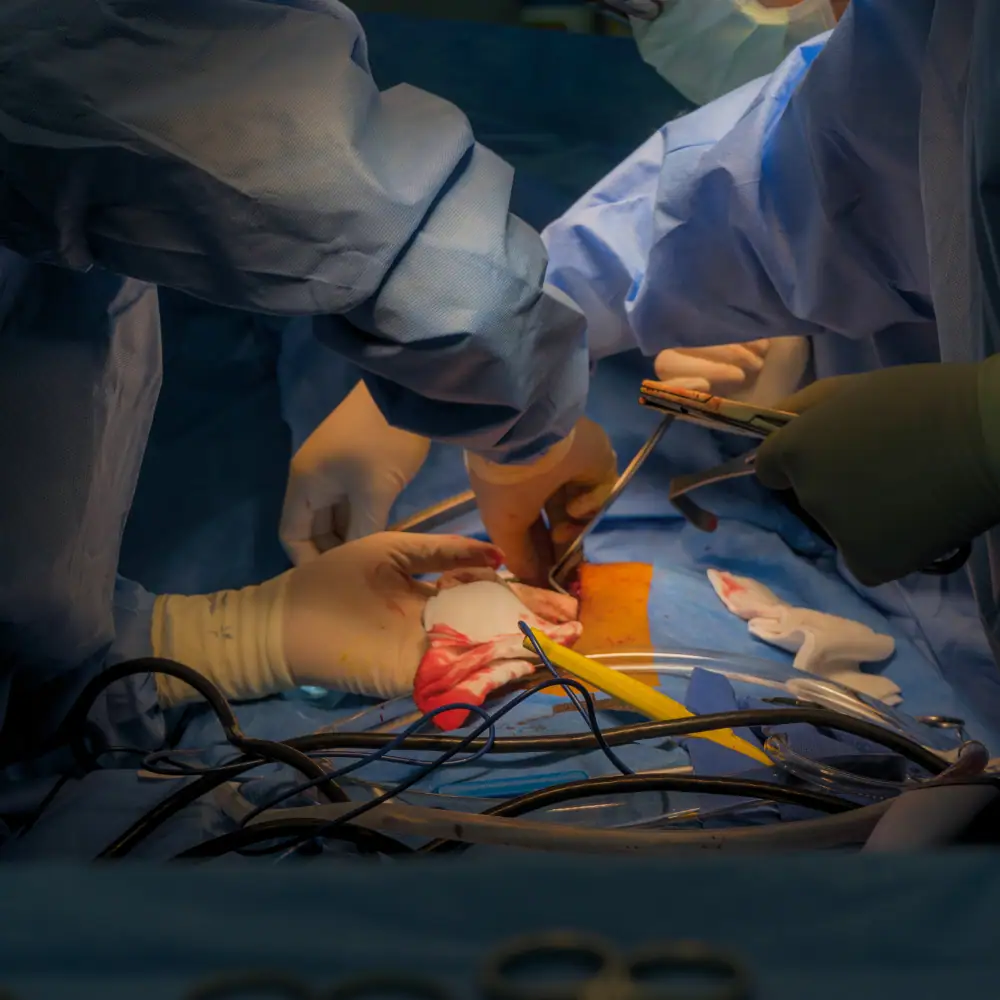
In the era of regenerative medicine, genomics, and systems biology, researchers are increasingly exploring how stem cell technologies, advanced immune profiling, and genetic insights can improve transplant outcomes and potentially reduce dependence on donor organs in the future. While many of these approaches remain investigational, they are reshaping the future vision of transplantation and personalized healthcare [1,2].
Transplantation as a Complex Biological System
Successful transplantation extends far beyond surgical expertise. Long-term graft survival depends on a dynamic interaction between immune regulation, genetic compatibility, tissue repair mechanisms, and patient-specific biological factors.
Historically, transplantation focused primarily on donor–recipient matching through blood group compatibility and human leukocyte antigen (HLA) typing. While these factors remain fundamental, growing evidence suggests that transplant outcomes are influenced by broader biological networks involving inflammation, immune tolerance, cellular aging, tissue regeneration, and genetic variation [3].
This evolving understanding positions transplantation as a complex systems-level process rather than a single medical procedure. The long-term success of transplantation depends not only on replacing a failing organ but also on understanding the biological processes that influence graft acceptance, immune regulation, and tissue recovery.
Regenerative Medicine and the Future of Organ Repair: The Role of Stemwell
Regenerative medicine represents one of the most promising frontiers in transplantation science. Rather than relying exclusively on donor organs, regenerative approaches seek to repair, regenerate, or replace damaged tissues using advanced cellular technologies.
Organizations such as Stemwell are contributing to the development of investigational regenerative strategies aimed at enhancing tissue repair and supporting functional recovery. In transplantation medicine, stem cell-based approaches are being explored for their potential to modulate immune responses, promote tissue regeneration, and improve graft integration [4,5].
Emerging areas of research include:
- Mesenchymal stem cell-based immunomodulation
- Stem cell-supported tissue regeneration
- Bioengineered tissues and organoids
- Tissue engineering and scaffold technologies
Although these approaches remain under active investigation, they reflect a broader shift from replacing damaged organs toward restoring biological function through regenerative mechanisms. Future advances may help address some of the greatest challenges in transplantation, including donor organ shortages and long-term graft dysfunction.
Genomics and Precision Transplant Medicine: The Role of DNA GTx
Alongside regenerative medicine, genomic science is transforming how transplant outcomes are predicted and managed. Genetic variation influences immune responses, transplant compatibility, drug metabolism, and susceptibility to post-transplant complications [2].
The work of DNA GTx focuses on translating genomic data into clinically meaningful insights that support precision medicine. Advances in genomic technologies enable a more comprehensive understanding of the biological factors that contribute to transplant success, supporting more individualized approaches to patient care.
Importantly, transplant outcomes are rarely determined by a single genetic factor. Rather, they emerge from complex interactions between genetic susceptibility, immune regulation, environmental influences, and patient-specific clinical characteristics. This highlights the importance of integrating genomic information with broader biological and clinical data to support personalized care strategies.

Integrating Regeneration, Genomics, and Systems Medicine
The future of transplantation lies in the convergence of multiple scientific disciplines. Regenerative medicine offers new possibilities for tissue repair and organ restoration, genomics provides insights into biological individuality, and systems biology helps explain the complex interactions that govern immune tolerance and long-term transplant success.
Together, these fields are driving a transition from reactive treatment toward predictive, preventive, and personalized healthcare. Within this emerging framework, organizations such as Stemwell and DNA GTx represent complementary pillars of innovation, helping bridge regenerative science and precision medicine.
Importantly, this integrated approach recognizes that successful transplantation depends not only on replacing an organ, but on understanding and supporting the biological systems that sustain long-term health.
A Unified Vision for the Future of Transplantation
As we reflect on World Transplant Day, transplantation can be viewed not only as a life-saving procedure but also as a gateway to the future of regenerative and precision medicine.
Advances in stem cell science, genomic technologies, immune profiling, and emerging biomarkers such as donor-derived cell-free DNA are reshaping transplant care and enabling more personalized approaches to monitoring and treatment. Although many emerging therapies remain under investigation, they offer a forward-looking vision in which organ repair, individualized treatment strategies, and biologically informed decision-making work together to improve patient outcomes.
The future of transplantation may ultimately extend beyond organ replacement alone, toward a more integrated model where regeneration, genomics, and precision medicine converge to redefine what is possible in healthcare [1,2].
References
- – Orlando, Giuseppe, Shay Soker, and Robert J. Stratta. “Organ bioengineering and regeneration as the new Holy Grail for organ transplantation.” Annals of Surgery 258, no. 2 (2013): 221–232.
- – Mahmood, Muhammad, Robert Shorr, Rebecca S. DaCosta, and colleagues. “Precision medicine and transplantation: opportunities and challenges.” Transplantation 106, no. 1 (2022): 18–29.
- – Opelz, Gerhard, and Bernd Döhler. “Effect of human leukocyte antigen compatibility on kidney graft survival: comparative analysis of two decades.” Transplantation 84, no. 2 (2007): 137–143.
- – Shi, Yufang, Yaping Wang, Qiuyan Li, Kai Liu, Jianjun Hou, Xiangmei Shao, and Lijun Wang. “Immunoregulatory mechanisms of mesenchymal stem and stromal cells in inflammatory diseases.” Nature Reviews Nephrology 14, no. 8 (2018): 493–507.
- – Hoogduijn, Martin J., and Emilio Lombardo. “Mesenchymal stromal cells anno 2019: dawn of the therapeutic era?” Stem Cells Translational Medicine 8, no. 11 (2019): 1126–1134.
Ready to learn more about stem cell therapy?

At Stemwell, our team of doctors are highly skilled in successfully supporting thousands of people with a range of stem cell treatments. If you would like to learn more about stem cell therapy you can contact us with any questions, or apply today to check your eligibility.
