

Advances in cell therapy, gene therapy, regenerative medicine, and precision medicine are redefining how physicians and researchers approach the treatment of inherited diseases, immune disorders, and complex chronic conditions. Rather than relying solely on symptom management, modern medicine is increasingly focused on understanding the biological mechanisms that drive disease and developing therapies that target the root cause at the cellular and genetic level (1–4).
At Stemwell, we believe that combining regenerative medicine with genomic science represents one of the most promising frontiers in personalized healthcare.
What Are Cell and Gene Therapies?
Cell and gene therapies are innovative medical approaches designed to repair, replace, or regenerate damaged tissues by utilizing living cells or modifying genetic material.
Cell therapy involves the administration of living cells that may support tissue repair, regulate inflammation, or restore biological function. Among the most studied cell types are mesenchymal stem cells (MSCs) and hematopoietic stem cells (HSCs) (2,4).
Gene therapy, in contrast, seeks to modify or replace disease-causing genes to restore normal cellular function. These therapies have already demonstrated significant clinical success in several inherited blood disorders and continue expanding into new medical fields (3,4).
Together, these approaches are becoming central components of precision medicine, where treatments are tailored to each patient’s unique biological profile.
Why Precision Medicine Matters
Every individual possesses unique genetic variations that influence disease susceptibility, treatment response, and recovery potential.
Precision medicine integrates:
- – Clinical evaluation
- – Medical history
- – Lifestyle factors
- – Biomarkers
- – Genomic information
to create personalized therapeutic strategies instead of applying a one-size-fits-all approach (1).
This individualized model allows healthcare professionals to better identify patients who may benefit from emerging regenerative therapies while improving diagnostic accuracy and long-term care planning.
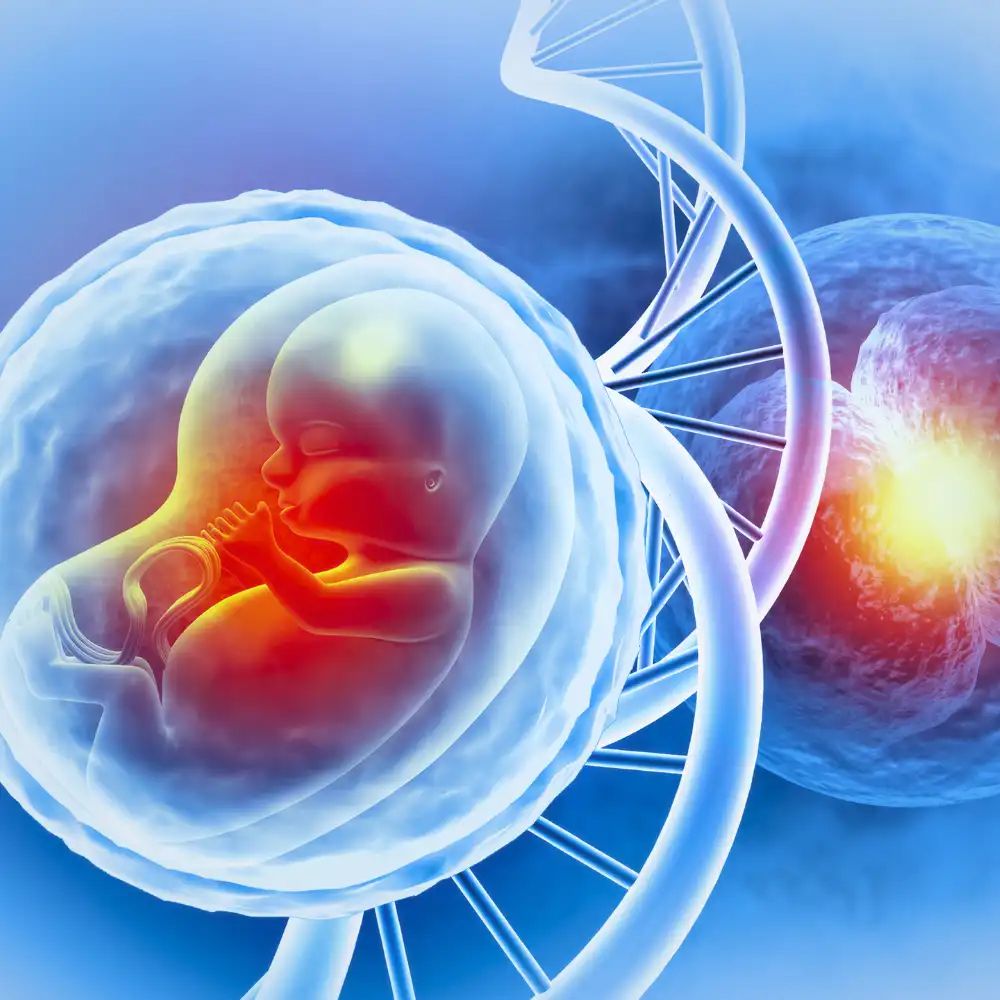
The Role of Stem Cells in Regenerative Medicine
Stem cells possess unique biological properties that make them valuable in regenerative
medicine because they can:
- • Support tissue repair
• Modulate inflammation
• Release bioactive molecules that promote healing
• Interact with the immune system
• Contribute to functional recovery in damaged tissues (2,5)
Although regenerative medicine continues to evolve, ongoing research suggests that stem cell-based therapies may become important components in the future management of cardiovascular, neurological, orthopedic, autoimmune, and hematological disorders (2,5,12).
At Stemwell, regenerative medicine is guided by scientific evidence and focuses on supporting the body’s natural repair mechanisms.
Hematopoietic Stem Cells and the Future of Gene Therapy
One of the most significant advances in modern medicine involves hematopoietic stem cells (HSCs).
These specialized stem cells generate all blood and immune cells throughout life and have become the foundation for many curative therapies in hematology (3,4).
Researchers are now combining hematopoietic stem cells with advanced gene-editing technologies to treat inherited disorders by correcting disease-causing genetic mutations before the cells are returned to the patient (3,4,6).
Current clinical applications include research involving:
- • Sickle cell disease
• Beta-thalassemia
• Severe combined immunodeficiency (SCID)
• Other inherited blood disorders (3,6)

Several of these therapies have already reached clinical practice, while additional applications continue to be evaluated in ongoing clinical trials.
The Growing Role of Genomics
Modern regenerative medicine increasingly depends on genomic information.
Genomic testing helps physicians better understand:
• Inherited disease risk
• Disease mechanisms
• Candidate selection for advanced therapies
• Personalized treatment planning
Rather than replacing clinical evaluation, genomics complements traditional medicine by providing deeper biological insights that support individualized care (1,10).
At Stemwell, genomic medicine represents an important component of our commitment to precision healthcare.
Neurological Disorders and Emerging Regenerative Strategies
Neurological diseases remain among the greatest challenges in medicine because the central nervous system has limited capacity for self-repair.
Researchers are currently investigating regenerative approaches that may support:
• Neuroprotection
• Reduction of neuroinflammation
• Neural repair
• Functional recovery
These investigational strategies include stem cell therapies, gene therapy, and other regenerative technologies that aim to preserve or restore neurological function (12).
Although much research remains before many of these therapies become standard clinical practice, early scientific evidence continues to expand rapidly.
Challenges and Future Directions
Despite remarkable progress, several scientific and clinical challenges remain before cell and gene therapies become widely accessible.
Researchers continue working to improve:
• Long-term safety
• Manufacturing consistency
• Immune compatibility
• Treatment accessibility
• Cost-effectiveness
• Regulatory frameworks (8–11)
International organizations and scientific societies continue publishing updated clinical guidelines that help ensure these therapies are developed and implemented responsibly (7).
Stemwell's Commitment to Precision Regenerative Medicine
At Stemwell, we believe the future of healthcare lies in integrating:
• Regenerative medicine
• Precision medicine
• Genomic science
• Evidence-based clinical practice
As scientific knowledge advances, personalized regenerative approaches have the potential to improve patient care through earlier diagnosis, individualized treatment planning, and biologically informed therapeutic strategies.
While many cell and gene therapies remain investigational, continued research offers exciting opportunities for the future of medicine and reinforces the importance of innovation grounded in rigorous scientific evidence.
Conclusion
Cell and gene therapy are transforming modern medicine by shifting the focus from managing symptoms to addressing the biological causes of disease.
Through advances in stem cell science, genomics, and precision medicine, healthcare is moving toward a future where treatments are increasingly personalized, targeted, and regenerative.
Stemwell remains committed to supporting this evolution through education, scientific collaboration, and evidence-based regenerative medicine.
References
1. Regan JA, Laitner MH, Dzau VJ. Cardiovascular science, medicine, and society: The brave new world: The ACC Braunwald Lecture 2025. J Am Coll Cardiol. 2026.
2. Aslan A, Yuka SA. Stem cell-based therapeutic approaches in genetic diseases. Adv Exp Med Biol. 2023.
3. John T, Czechowicz A. Clinical hematopoietic stem cell-based gene therapy. Mol Ther. 2025.
4. Ferrari G, Thrasher AJ, Aiuti A. Gene therapy using haematopoietic stem and progenitor cells. Nat Rev Genet. 2021.
5. Tam PKH, Wong KKY, Atala A, et al. Regenerative medicine: Postnatal approaches. Lancet Child Adolesc Health. 2022.
6. Kansal R. Curing sickle cell disease by allogeneic hematopoietic stem cell transplantation toward in vivo HSC gene therapy. Genes. 2025.
7. European Society for Blood and Marrow Transplantation. The Manual of Choice for Doctors and Practitioners Involved in Hematopoietic Cell Transplantation (HCT) and Cellular Therapies. 2024.
8. Hwang WYK, Muzammil EM. The current state of cytotherapy and the field of cell and gene therapy. Cytotherapy. 2025.
9. Charlesworth CT, Hsu I, Wilkinson AC, Nakauchi H. Immunological barriers to haematopoietic stem cell gene therapy. Nat Rev Immunol. 2022.
10. Cavazzana M, Bushman FD, Miccio A, André-Schmutz I, Six E. Gene therapy argeting haematopoietic stem cells for inherited diseases: Progress and challenges. Nat Rev Drug Discov. 2019.
11. Chancellor D, Barrett D, Nguyen-Jatkoe L, Millington S, Eckhardt F. The state of cell and gene therapy in 2023. Mol Ther. 2023.
12. Chen KS, Koubek EJ, Sakowski SA, Feldman EL. Stem cell therapeutics and gene therapy for neurologic disorders. Neurotherapeutics. 2024.
13. Ferrari S, Valeri E, Conti A, et al. Genetic engineering meets hematopoietic stem cell biology for next-generation gene therapy. Cell Stem Cell. 2023.
Ready to learn more about stem cell therapy?

At Stemwell, our team of doctors are highly skilled in successfully supporting thousands of people with a range of stem cell treatments. If you would like to learn more about stem cell therapy you can contact us with any questions, or apply today to check your eligibility.
