

Alzheimer’s disease is a leading public health concern worldwide. More than 1 in 3 people globally live with some form of neurological condition, according to the World Health Organization, and Alzheimer’s disease remains the most common cause of dementia among older adults [1,2]. World Alzheimer’s Day, observed each September 21st, was established by Alzheimer’s Disease International to raise awareness of the disease and to promote public understanding grounded in current scientific evidence.

A Distinct Biological Process
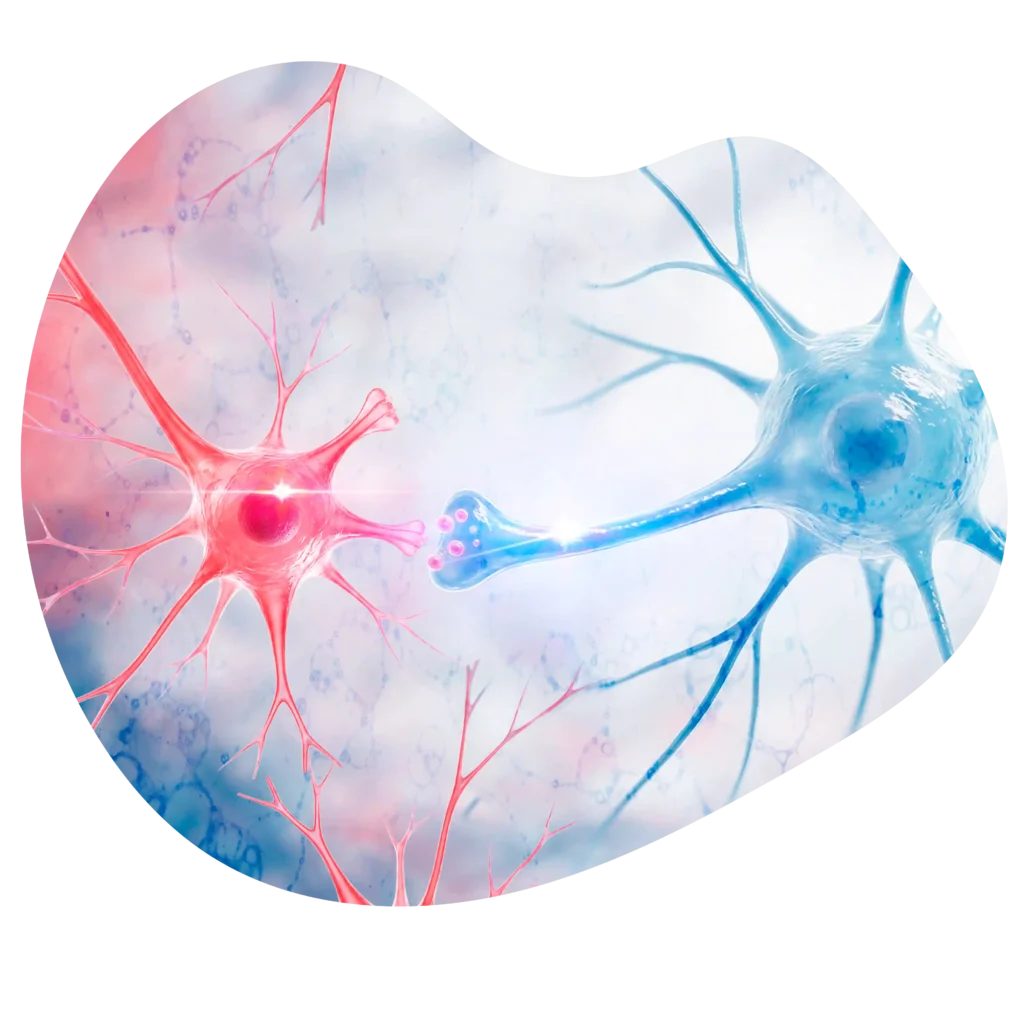
The brain, like any organ, undergoes structural change with age. Alzheimer’s disease, however, is defined by a distinct biological process. Two proteins the brain produces naturally, amyloid-beta and tau, begin to accumulate abnormally, forming deposits that disrupt communication between neurons. Current evidence indicates that this process began 15 to 20 years before the first clinical symptoms, such as memory lapses, become apparent [4,5]. In other words, Alzheimer’s is not a sudden event but a slow biological trajectory that precedes diagnosis by decades.
Distinguishing Normal Aging From Disease
Occasional forgetfulness, such as misplacing keys or momentarily losing a word, can occur with normal aging and is not necessarily a sign of dementia. More persistent changes, particularly those affecting navigation, communication, judgment, independence, or daily functioning deserve clinical assessment. Age and genetic background remain important non-modifiable factors; however, evidence indicates that several potentially modifiable factors across the life course are associated with dementia risk, including cardiovascular and metabolic health, smoking, physical activity, social isolation, and other environmental or lifestyle-related factors. Risk reduction does not guarantee prevention, but addressing modifiable factors may contribute to healthier cognitive aging [3].
The Role of Genetics in Risk Assessment
This is where genomics becomes relevant. Each person inherits distinct versions of the same genes, and APOE is particularly important in Alzheimer’s disease research. The APOE ε4 variant is the strongest common genetic risk factor for late-onset Alzheimer’s disease. Carrying this variant can increase risk, but it does not mean that a person will inevitably develop Alzheimer’s disease. Genetic information should therefore be interpreted together with age, family history, clinical findings, and other risk factors [4,5].

Advances in Early Detection
Advances in blood-based biomarkers are changing the evaluation of Alzheimer’s disease. Certain biomarkers, particularly plasma phosphorylated tau such as p-tau217, have demonstrated high accuracy for identifying Alzheimer’s-related amyloid and tau pathology in research and selected clinical settings [6,7]. Their interpretation depends on the specific assay, validated thresholds, clinical setting, patient characteristics, and other factors.
Regenerative Medicine: An Emerging Research Direction
Regenerative medicine is being investigated across several neurological conditions, including Alzheimer’s disease. Mesenchymal stromal/stem cells (MSCs) have attracted research interest because of their proposed immunomodulatory and neurotrophic properties. However, much of the evidence supporting these biological mechanisms remains preclinical, and clinical research specifically in Alzheimer’s disease is still limited. [8,9].
Early clinical studies have explored the feasibility and safety of MSC-based approaches, but current evidence is not sufficient to establish their efficacy for preventing, slowing, or treating Alzheimer’s disease. [10].
Moving Forward
Alzheimer’s disease is no longer understood solely within the confines of a clinical diagnosis. Advances in genetics, biomarkers, prevention research, and experimental therapeutic approaches are helping researchers better characterize the biological processes that precede and accompany cognitive decline. World Alzheimer’s Day is a great time to look at this evidence directly: to discuss the disease without stigma, and to recognize that understanding one’s own biology, genetics included, constitutes a legitimate and increasingly practical tool for long-term care [1,2,10].
Speak to Stemwell today to find out more

Stem cell therapy represents an exciting new treatment avenue for hamstring injuries, with the potential to promote quicker healing and improve your overall quality of life. Our expert team at Stemwell are dedicated to supporting you and finding the right treatment option to meet your needs.
If you would like to find out more about stem cell therapy you can contact us with any questions, or apply today to check your eligibility.
References
1. World Health Organization. Global status report on neurology. Geneva: WHO; 2025.
2. Alzheimer’s Disease International. World Alzheimer Report 2025: Reimagining Life with Dementia – The Power of Rehabilitation. London: ADI; 2025.
3. Livingston G, Huntley J, Liu KY, Costafreda SG, Selbæk G, Alladi S, et al. Dementia prevention, intervention, and care: 2024 report of the Lancet standing Commission. Lancet. 2024;404(10452):572-628.
4. Yamazaki Y, Zhao N, Caulfield TR, Liu CC, Bu G. Apolipoprotein E and Alzheimer disease: pathobiology and targeting strategies. Nat Rev Neurol. 2019;15(9):501-518.
5. Raulin AC, Doss SV, Trottier ZA, Ikezu TC, Bu G, Liu CC. ApoE in Alzheimer’s disease: pathophysiology and therapeutic strategies. Mol Neurodegener. 2022;17:72.
6. Khalafi M, Dartora WJ, McIntire LBJ, et al. Diagnostic accuracy of phosphorylated tau217 in detecting Alzheimer’s disease pathology among cognitively impaired and unimpaired: A systematic review and meta-analysis. Alzheimers Dement. 2025;21(2):e14458. doi:10.1002/alz.14458
7. Schöll M, Vrillon A, Ikeuchi T, Quevenco FC, Iaccarino L, Vasileva-Metodiev SZ, et al. Cutting through the noise: a narrative review of Alzheimer’s disease plasma biomarkers for routine clinical use. J Prev Alzheimers Dis. 2025;12(4):100056.
8. Patel GD, Liu L, Li A, Yang YH, Shen CC, Brand-Saberi B, et al. Mesenchymal stem cell-based therapies for treating well-studied neurological disorders: a systematic review. Front Med. 2024;11:1361723.
9.Trinh QD, Mai HN, Pham DT. Application of mesenchymal stem cells for neurodegenerative diseases therapy discovery. Regen Ther. 2024;26:981-989.
10. Rizvi FAS, Jimoh Y, Allouh MZ, Rahmon D, Chaudhry GR. Mesenchymal stem cell therapies for neurodegenerative diseases: advancements, challenges, and opportunities. Neural Regen Res. 2026.
