

Hair loss can be concerning, especially when you notice changes in the thickness or fullness of your hair. For many people, these changes can also affect emotional well-being. Understanding the causes of hair loss and the available options is an important first step toward making informed decisions.
Regenerative medicine is exploring new ways to understand and support the activity of hair follicles. Among the areas attracting particular scientific interest are stem cells and the substances they release.
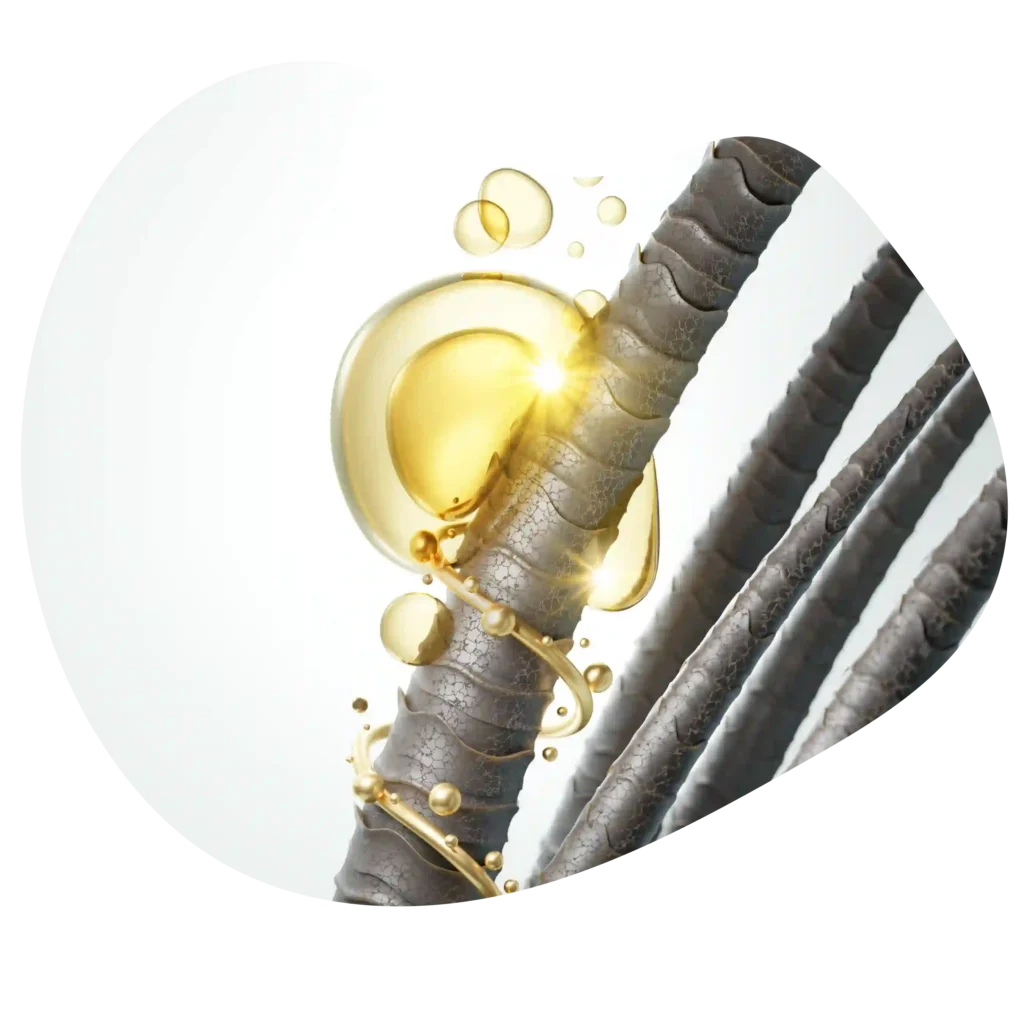

What Causes Hair Loss?
Hair grows in a cycle that includes an active growth phase (anagen), a transition phase (catagen), and a resting phase (telogen). In androgenetic alopecia, also known as pattern hair loss, a combination of genetic and hormonal factors causes hair follicles to gradually shrink. As a result, individual hairs become finer, and overall hair density may decrease. [1,2]
Not all types of hair loss have the same cause. Thyroid disorders, nutritional deficiencies, inflammatory conditions, certain medications, and periods of physical stress can also contribute to hair shedding. That is why a medical evaluation—and additional testing when needed—is essential before choosing a treatment. [1]
How Might Stem Cells Help?
Stem cells can renew themselves and, depending on the cell type, develop into certain specialized cells. Some, including mesenchymal stem cells, release signaling molecules that help cells communicate and take part in the regulation of inflammation and the maintenance of healthy tissues.
Hair restoration research is exploring how signals released by certain cells may influence the natural processes that control hair follicle activity and hair growth. Understanding these processes has opened up new possibilities in regenerative medicine, although further clinical studies are needed to confirm potential benefits and better define what these approaches can achieve. [3]
What Benefits Have Scientific Studies Found?
Regenerative medicine is opening new avenues for hair care and restoration. In particular, stem cells and the substances they produce have attracted growing scientific interest because of their potential to support the natural processes involved in hair growth.
A 2024 systematic review examined clinical trials of cell-based therapies and related products and reported encouraging findings across several measures of hair growth. Because the studies used different approaches, their results need to be considered in the context of each specific treatment. [4] That same year, another scientific analysis combined eight studies involving 221 participants and found improvements in hair density with preparations containing substances released by cultured cells. These findings are encouraging for the development of new products, but they relate to cell-derived substances—not to the administration of living stem cells. [5]
In another clinical trial, 38 participants were enrolled to evaluate a scalp-applied preparation derived from cells found in fat tissue; 34 completed the study. After 16 weeks, the treatment group experienced a 28.1% relative increase in the measured hair count, compared with 7.1% in the comparison group. This encouraging finding deserves confirmation in larger studies with longer follow-up. [6]

Researchers are also exploring how these approaches might be combined with established hair-loss treatments. In a 2023 trial, adding substances released by fat-derived cells to minoxidil did not produce a clear additional benefit compared with the control treatment. Another study involving 18 people examined a cellular fraction obtained from fat tissue combined with platelet-rich plasma (PRP), but it did not demonstrate a statistically significant additional improvement over PRP alone. These findings help researchers identify which strategies deserve further study. [7,8]
More recently, a 2026 scientific review brought together 20 studies involving 724 participants who received different regenerative approaches for hair loss. Several studies reported favorable outcomes, adding to the scientific interest in stem cell-based therapies and their derivatives. Although treatment methods still need to be standardized and outcomes followed over longer periods, these findings provide an encouraging foundation for further research into well-supported hair restoration options. [9]
Taken together, these advances show how research on stem cells and the substances they produce is expanding the possibilities for hair health. Each new study helps researchers better understand how these approaches work, identify their potential applications, and move toward future therapeutic options.
Stem Cells and Exosomes: New Possibilities for Hair Restoration
Advances in regenerative medicine have made it possible to explore new approaches to supporting hair health and growth. These include mesenchymal stem cells, which can be obtained from different tissues, including fat tissue and the umbilical cord. Researchers are especially interested in these cells because they release substances involved in cell-to-cell communication and the body’s natural tissue maintenance and repair processes. Although their use in hair restoration is still being investigated, they represent a promising area for the development of future treatments. [3,13]
Another particularly exciting area of research involves exosomes—tiny particles released by cells that carry molecules capable of sending signals to other cells in the body. Scientists are studying whether these signals could help create conditions that support hair growth. A 2025 scientific review reported encouraging findings in some small studies, including improvements in hair density and other hair characteristics. These results are driving further research to better understand potential benefits and refine how these products are applied. [10]
In 2024, a study involving 30 men with androgenetic alopecia evaluated exosomes obtained from cells derived from foreskin tissue. Over the following 12 weeks, researchers observed increased hair density and favorable feedback from participants. This is an encouraging observation, although the study did not include a comparison group that would make it possible to determine with confidence how much of the improvement was due to the product. [11]
Another study published in 2026 evaluated exosomes derived from umbilical cord mesenchymal stem cells used together with microneedling of the scalp. This exploratory study involved 22 people and reported improvements in certain hair-related measures. The findings offer further insight into the potential of these approaches, while additional research is needed to determine how much each technique contributes to the outcome. [12]
Together, these studies show how growing knowledge about stem cells and the substances they release is opening new possibilities in regenerative hair research. Although this field is still developing, scientific progress offers promising directions for finding new ways to support hair follicles and promote hair growth.
Safety and Quality: Essential Parts of Innovation
The approaches under investigation are not all the same. A topical preparation, a microneedling procedure, and a treatment involving living cells each have different characteristics and risks. That is why it is important to understand where a product comes from, how it is prepared, and under what conditions it is used.
Several early studies reported few serious adverse events, which is reassuring but should be interpreted carefully because the studies involved relatively small groups and short follow-up periods. Researchers continue to evaluate long-term safety and the conditions needed to use these technologies responsibly. [3,10,13]
In Colombia, the use of any biological product must be assessed according to the type of product, its intended use, and the applicable health regulations. The fact that a technology is being studied does not mean that every product or use has been authorized for treating hair loss.
How Do These Approaches Fit Alongside Existing Treatments?
Hair care and hair-loss treatment have evolved considerably in recent years, giving people a range of options. Treatments such as minoxidil and certain medications that act on hormones have a longer history of clinical use and scientific support. Other options, including platelet-rich plasma (PRP), microneedling, and hair transplantation, may be considered based on each person’s diagnosis and individual needs. [2,14]
Against this backdrop, regenerative medicine offers exciting research opportunities through the study of stem cells and the products derived from them. Scientists are working to better understand how these approaches act and what benefits they may offer to different groups of patients. At present, available evidence does not establish that they can generally replace or outperform existing treatments. [3,13]
Most importantly, everyone experiences hair loss differently. An individualized medical evaluation can help people understand their options, weigh potential benefits, and choose an approach that fits their health, needs, and expectations.
The Future of Hair Restoration: New Possibilities
Regenerative medicine continues to open up promising possibilities for hair care. Ongoing studies aim to determine which substances and techniques may be helpful, who may benefit from them, and how best to evaluate their safety and long-term results. The goal is to move toward approaches that are better studied and more closely tailored to individual needs.
One example is a clinical research protocol published in 2026 proposing a controlled study of tiny particles released by umbilical cord-derived mesenchymal stem cells and their potential role in hair growth. Research of this kind is an important step toward understanding possible benefits, assessing safety, and exploring new applications in hair care. Because this publication describes a study protocol, it does not yet provide results on treatment effectiveness. [15]
As further studies become available, researchers will be better able to determine which approaches offer the most meaningful results, who might benefit, and how long those benefits may last. This growing body of work reflects the scientific community’s interest in advancing regenerative medicine and developing hair restoration options supported by strong clinical evidence.
Making Informed Decisions
Stem cell research has raised valuable questions about how hair follicles function. Some early studies have shown encouraging signals, but larger, well-designed clinical trials are still needed to establish appropriate uses, benefits, and risks.
This article is intended for educational purposes only and does not replace an individual medical evaluation. Discussion of technologies under investigation does not constitute an offer of treatment, a personal medical recommendation, or confirmation of regulatory authorization for any specific product or use.
Speak to Stemwell today to find out more

Stem cell therapy represents an exciting new treatment avenue for hamstring injuries, with the potential to promote quicker healing and improve your overall quality of life. Our expert team at Stemwell are dedicated to supporting you and finding the right treatment option to meet your needs.
If you would like to find out more about stem cell therapy you can contact us with any questions, or apply today to check your eligibility.
References
1. Dakkak M, Forde KM, Lanney H. Hair loss: diagnosis and treatment. Am Fam Physician. 2024;110(3):243-250. PMID: 39283847. https://pubmed.ncbi.nlm.nih.gov/39283847/
2. Landells I, Chow E, Gupta AK, et al. A Canadian consensus on androgenetic alopecia: approach and management. J Cutan Med Surg. 2025;29(5 Suppl):5S-14S. doi:10.1177/12034754251368849. PMID: 40986632. https://pubmed.ncbi.nlm.nih.gov/40986632/
3. Wyles SP, Proffer SL, Pastore L, et al. Regenerative medicine for hair health: from principles to practice (Part II). J Am Acad Dermatol. 2026 Jan 30. Advance online publication. doi:10.1016/j.jaad.2026.01.060. PMID: 41621669. https://pubmed.ncbi.nlm.nih.gov/41621669/
4. Gasteratos K, Kouzounis K, Goverman J. Autologous stem cell-derived therapies for androgenetic alopecia: a systematic review of randomized control trials on efficacy, safety, and outcomes. Plast Reconstr Surg Glob Open. 2024;12(2):e5606. doi:10.1097/GOX.0000000000005606. PMID: 38352219. https://pubmed.ncbi.nlm.nih.gov/38352219/
5. Chien WY, Huang HM, Kang YN, Chen KH, Chen C. Stem cell-derived conditioned medium for alopecia: a systematic review and meta-analysis. J Plast Reconstr Aesthet Surg. 2024;88:182-192. doi:10.1016/j.bjps.2023.10.060. PMID: 37983981. https://pubmed.ncbi.nlm.nih.gov/37983981/
6. Tak YJ, Lee SY, Cho AR, Kim YS. A randomized, double-blind, vehicle-controlled clinical study of hair regeneration using adipose-derived stem cell constituent extract in androgenetic alopecia. Stem Cells Transl Med. 2020;9(8):839-849. doi:10.1002/sctm.19-0410. PMID: 32420695. https://pubmed.ncbi.nlm.nih.gov/32420695/
7. Legiawati L, Suseno LS, Sitohang IBS, et al. Combination of adipose-derived stem cell conditioned media and minoxidil for hair regrowth in male androgenetic alopecia: a randomized, double-blind clinical trial. Stem Cell Res Ther. 2023;14:210. doi:10.1186/s13287-023-03440-2. PMID: 37605227. https://pubmed.ncbi.nlm.nih.gov/37605227/
8. Behrangi E, Rahimi ST, Zare S, et al. Evaluation of the effects of adding an adipose tissue-derived stromal vascular fraction to platelet-rich plasma injection in the treatment of androgenetic alopecia: a randomized clinical trial. Skin Res Technol. 2024;30(4):e13700. doi:10.1111/srt.13700. PMID: 38634195. https://pubmed.ncbi.nlm.nih.gov/38634195/
9. Behrangi E, Amiri S, Zeinali R, et al. A systematic review of clinical evidence on the efficacy and safety of conditioned media, platelet-rich fibrin, stromal vascular fraction, extracellular vesicles, and stem cells in androgenetic alopecia. Stem Cell Res Ther. 2026;17:194. doi:10.1186/s13287-026-05016-2. PMID: 41987228. https://pubmed.ncbi.nlm.nih.gov/41987228/
10. Al Ameer MA, Alnajim AT, Al Ameer A, et al. Exosomes and hair regeneration: a systematic review of clinical evidence across alopecia types and exosome sources. Clin Cosmet Investig Dermatol. 2025;18:2215-2227. doi:10.2147/CCID.S543451. PMID: 40955427. https://pubmed.ncbi.nlm.nih.gov/40955427/
11. Ersan M, Ozer E, Akin O, Tasli PN, Sahin F. Effectiveness of exosome treatment in androgenetic alopecia: outcomes of a prospective study. Aesthetic Plast Surg. 2024;48(21):4262-4271. doi:10.1007/s00266-024-04332-3. PMID: 39174804. https://pubmed.ncbi.nlm.nih.gov/39174804/
12. Chen Q, Wang X, Zhang Y, et al. hUC-MSC-exosomes deliver Let-7b/7f-5p to dermal papilla cells for a multi-target synergistic treatment of androgenetic alopecia. J Nanobiotechnology. 2026;24:839. doi:10.1186/s12951-026-04752-0. PMID: 42363148. https://pubmed.ncbi.nlm.nih.gov/42363148/
13. Gupta AK, Wang T, Welter R, Unger R, Mejia R. Promises and pitfalls of regenerative therapies for androgenetic alopecia: platelet-rich plasma, photobiomodulation, stem cells, and exosomes. Med Sci (Basel). 2026;14(1):5. Published online in 2025. doi:10.3390/medsci14010005. PMID: 41562895. https://pubmed.ncbi.nlm.nih.gov/41562895/
14. van Zuuren EJ, Fedorowicz Z, Schoones J. Interventions for female pattern hair loss. Cochrane Database Syst Rev. 2016;2016(5):CD007628. doi:10.1002/14651858.CD007628.pub4. PMID: 27225981. https://pubmed.ncbi.nlm.nih.gov/27225981/
15. Tian R, Deng Z, Chen F, et al. A randomized controlled clinical trial protocol of umbilical cord mesenchymal stem cell-derived small extracellular vesicles for the treatment of androgenetic alopecia in young males. FASEB J. 2026;40(2):e71496. doi:10.1096/fj.202504430. PMID: 41591820. https://pubmed.ncbi.nlm.nih.gov/41591820/
