
If you have been told that stem cell therapy might be an appropriate treatment for your medical condition, you likely have many questions:
- What is stem cell treatment?
- What does stem cell therapy do?
- How does stem cell therapy work?
Let’s explore these questions together.
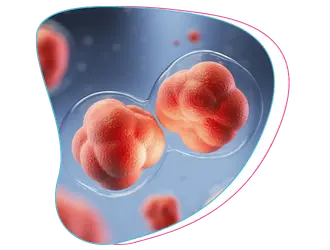
What Are Stem Cells?
Stem cells are often called the body’s “building blocks.” They are undifferentiated, or “blank,” cells that have not yet specialized into specific cell types such as muscle, nerve, or blood cells (1,2,8). Their unique ability to develop into various cell types makes them invaluable for medical treatments.
What Can Stem Cells Do?
Stem cells are highly versatile and capable of responding to the body’s needs. They can be compared to the conductor of an orchestra, signaling cells to reduce inflammation and promote healing.
Stem cells can:
- Promote tissue regeneration and repair (e.g., bone, cartilage, muscle) (1,2)
- Decrease inflammation and modulate immune responses, especially in autoimmune and chronic conditions (1,5)
- Regulate blood vessel growth, aiding in wound healing (1)
- Reduce scarring and improve tissue quality (1) Recent studies have shown that stem cells may also:
- Help restore dopamine production in Parkinson’s patients, improving motor function (4)
- Generate tumor-targeting immune cells for cancer therapy (6)
- Improve endurance and mobility in elderly patients (5)
How Does Stem Cell Therapy Work?

Stem cell therapy involves introducing stem cells into the body, either at a specific injury site or intravenously. Once administered, these cells:
- Signal the body’s own cells to promote healing and reduce inflammation (1,2)
- Release growth factors that stimulate tissue repair and regeneration (1)
- Modulate the immune system, preventing harmful or excessive immune responses (1,5)
Where Do Stem Cells Come From?
At Stemwell, umbilical cord-derived stem cells from healthy donors are commonly used. Evidence suggests these cells may be more robust and have stronger regenerative and immunomodulatory properties compared to other sources (9).
These cells are carefully screened and selected based on their anti-inflammatory capacity, immune modulation potential, and regenerative properties.
Why Choose Stem Cell Therapy?
Stem cell therapy offers several advantages:
- Personalized treatment plans tailored to each patient (1,2)
- Minimally invasive procedures, typically via injection or infusion (1)
- Potential applications across a wide range of conditions, including orthopedic and neurodegenerative diseases (1,4,6)
Safety and Regulation
While stem cell therapy shows significant promise, treatments must:
- Be performed by qualified professionals in accredited facilities
- Be supported by scientific evidence and regulatory approval
- Clearly communicate risks and benefits to patients (3)
In Colombia, regulatory oversight ensures that medical claims are evidence-based and patient safety is prioritized (7).
Conclusion
Stem cell therapy represents a major advancement in modern medicine, offering new possibilities for conditions previously considered difficult to treat. As research evolves, patients should remain informed and consult qualified healthcare professionals to determine whether this therapy is appropriate for their needs.
Referencias
1. Hussen BM, Taheri M, Yashooa RK, et al. Revolutionizing medicine: recent developments and future prospects in stem-cell therapy. Int J Surg. 2024;110(12):8002-8024.
2. Li F, Fu C. Stem cell revolution: bridging the gap between research and clinical application. Stem Cell Res Ther. 2025;16(1):661.
3. Aly RM. Current state of stem cell-based therapies: an overview. Stem Cell Investig. 2020;7:8.
4. University of Southern California Health Sciences. Doctors implant dopamineproducing stem cells in Parkinson’s patients. ScienceDaily. 2026 Feb 20.
5. Hare JM, DiFede DL, Rieger AC, et al. Randomized comparison of allogeneic versus autologous mesenchymal stem cells. J Am Coll Cardiol. 2017;69(5):526-537.
6. Chinese Academy of Sciences. One stem cell generates tumor-killing NK cells. ScienceDaily. 2026 Feb 17.
7. Superintendency of Industry and Commerce (SIC). Data protection and medical research guidelines. 2025.
8. Mayo Clinic. Stem cells: what they are and what they do. 2026 Jan 21.
9. Fu YS, Davies S, et al. Isolation and characterization of MSC-like cells from Wharton’s jelly. 2024.
Ready to learn more about stem cell therapy?

At Stemwell, our team of doctors are highly skilled in successfully supporting thousands of people with a range of stem cell treatments. If you would like to learn more about stem cell therapy you can contact us with any questions, or apply today to check your eligibility.

