
World Congenital Malformations Day
World Congenital Malformations Day, observed every year on March, raises global awareness about congenital conditions, health disorders present from birth that affect millions of people worldwide. The initiative highlights the importance of prevention, early diagnosis, research, and improved treatment options.

Many women experience health challenges such as infertility, premature ovarian failure, recurrent pregnancy loss, or hereditary diseases, including certain cancers, that can originate from congenital genetic factors present from birth [1]. Traditionally, medical treatments have focused on managing symptoms, but advances in science are now enabling clinicians to address the underlying genetic and cellular causes of these conditions.
Innovations in genomics and regenerative medicine are transforming women’s healthcare [2]. By combining genetic insights with stem cell–based therapies, clinicians can identify inherited risks earlier, better understand disease mechanisms, and explore new ways to repair damaged tissues and support reproductive health. This approach reflects the growing field of precision medicine, where prevention strategies and treatments are tailored to an individual’s unique biology rather than relying on a one-size-fits-all model.
At Stemwell, advanced stem cell therapies are integrated with innovative genomic analysis from the DNA GTx Genomics Laboratory to better understand congenital genetic factors and develop personalized treatment strategies. By combining regenerative medicine with genomic science, this approach aims to enhance safety, improve effectiveness, and contribute to more personalized care in women’s health.
On World Congenital Malformations Day, continued research and collaboration remain essential to improving early detection, advancing treatments, and supporting healthier futures for women and families worldwide.
Why Congenital Genetics Matters in Women’s Health
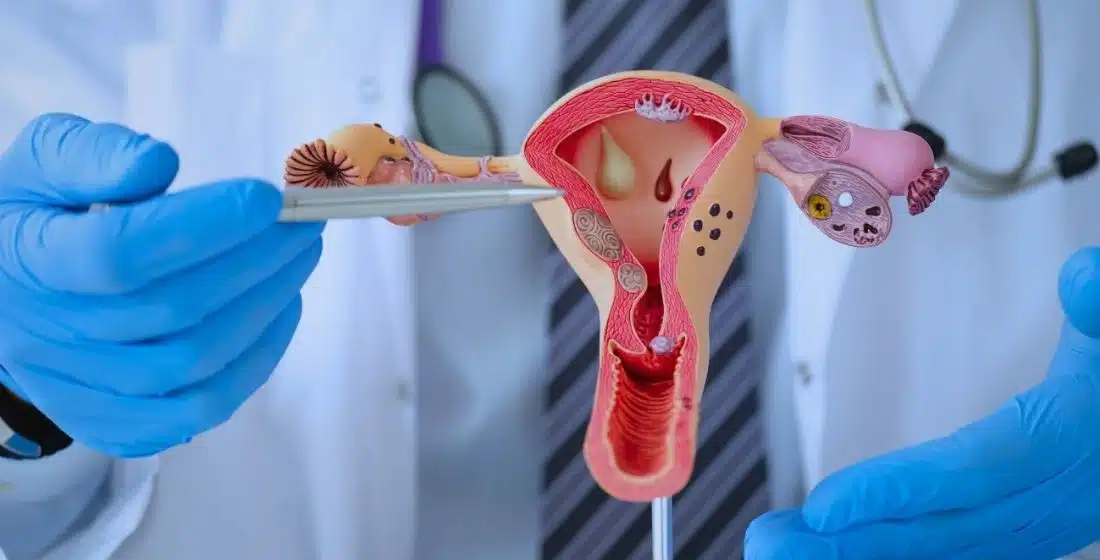
Genetic variations shape virtually every aspect of women’s health. From hormone regulation and reproductive development to metabolism, immune function, cardiovascular health, and cancer susceptibility, many health outcomes are influenced by inherited DNA [3]. Some conditions that affect long-term wellness actually begin at birth, encoded in our genome.
Chromosomal abnormalities such as Turner syndrome or trisomy X can influence not only reproductive function but also cardiovascular and bone health. Mutations in genes such as BRCA1 and BRCA2 significantly increase the risk of hereditary breast and ovarian cancers [4], while genetic predispositions can also affect metabolism, autoimmune susceptibility, or the risk of cardiovascular disease later in life. Even complex conditions like polycystic ovary syndrome (PCOS), endometriosis, or certain autoimmune disorders are shaped by interactions among multiple genetic variations.
These inherited factors can subtly alter cellular function, hormone signaling, inflammation, and tissue growth long before symptoms appear. Understanding congenital genetics provides clinicians with a powerful tool to detect risks early, predict potential health challenges, and develop personalized prevention or treatment strategies [5], empowering women to take proactive control of their health across their lifespan.
Transforming Women’s Health with Stem Cell Therapy: Stemwell at the Forefront
Stem cell therapy represents one of the most promising frontiers in regenerative medicine for women’s health [2]. Stem cells can self-renew and transform into specialized cell types, enabling the repair and regeneration of damaged tissues.
At Stemwell, researchers are exploring how stem cell technologies can address complex health challenges across reproductive, cardiovascular, musculoskeletal, and immune systems. Mesenchymal stem cells, often derived from bone marrow or umbilical cord tissue, have strong anti-inflammatory and tissue-repair properties, showing promise in restoring damaged organs or tissues affected by congenital or acquired conditions. Induced pluripotent stem cells (iPSCs), which are adult cells reprogrammed to behave like embryonic stem cells, provide powerful models for studying congenital disorders and predicting disease progression, from fertility-related conditions to autoimmune or metabolic diseases [2].
By tailoring therapies to each patient’s biology, Stemwell combines the regenerative potential of stem cells with insights into genetic variations, aiming to restore function, reduce inflammation, and improve overall health outcomes. The ultimate goal is to offer personalized regenerative solutions that enhance well-being across the full spectrum of women’s health
Integrating Genomics and Regenerative Medicine: A Collaboration Between Stemwell and DNA GTx
Genomic science complements regenerative medicine by providing detailed insights into each individual’s DNA, allowing therapies to be personalized for greater safety and effectiveness [2]. Stemwell’s collaboration with DNA GTx Laboratory combines stem cell expertise with advanced genomic analysis to decode the genetic variations that influence health risks and therapy response.
Through whole genome sequencing (WGS), clinicians can identify mutations or variations that affect cardiovascular, immune, metabolic, or reproductive health. Predictive models, such as polygenic risk scores (PRS), reveal inherited susceptibilities that may influence long-term health or treatment outcomes. These insights guide the choice of stem cell type, therapy dosage, and delivery methods, while real-time monitoring of immune and genetic markers allows therapies to be adjusted for optimal results.
This integration of genomics and regenerative medicine enables precision care that is proactive, adaptive, and tailored to each woman’s unique biology, addressing a wide range of health challenges from congenital conditions to age-related disorders.
The Future of Women’s Healthcare with Stemwell and DNA GTx
Stemwell and DNA GTx envision a future where regenerative medicine and genomics work together to advance women’s healthcare comprehensively. Treatments are designed around each woman’s unique genetic profile, enabling targeted interventions that prevent disease, restore function, and support long-term wellness. By identifying risks early and guiding therapy with genetic insights, this approach moves healthcare toward predictive, preventive, and patient-centered medicine [6].
As science progresses, the collaboration between Stemwell’s regenerative expertise and DNA GTx’s genomic analysis has the potential to reshape women’s healthcare, shifting the focus from symptom management to restoring function, preventing disease, and enhancing quality of life across reproductive, cardiovascular, metabolic, and immune health.
References
- Laml, T., O. Preyer, W. Umek, M. Hengstschläger, and E. Hanzal. “Genetic disorders in premature ovarian failure.” Human Reproduction Update8, no. 5 (2002): 483-491.Toss, Angela, Chiara Tomasello, Elisabetta Razzaboni, Giannina Contu, Giovanni Grandi, Angelo Cagnacci, Russell J. Schilder, and Laura Cortesi. “Hereditary ovarian cancer: not only BRCA 1 and 2 genes.” BioMed research international 2015, no. 1 (2015): 341723.
- Beachy, Sarah H., Theresa M. Wizemann, Michelle Drewry, and National Academies of Sciences, Engineering, and Medicine. “The Intersection of Regenerative Medicine and Women’s Health.” (2025).
- Meena, Keerti, Sapna Kumari, Sudhanshu Mishra, Manoj Saini, and Jyoti Singh Chauhan. “The role of genetics and hormones in women’s health.” In Women’s Health: A Comprehensive Guide to Common Health Issues in Women, pp. 74-100. Bentham Science Publishers, 2024.
- Toss, Angela, Chiara Tomasello, Elisabetta Razzaboni, Giannina Contu, Giovanni Grandi, Angelo Cagnacci, Russell J. Schilder, and Laura Cortesi. “Hereditary ovarian cancer: not only BRCA 1 and 2 genes.” BioMed research international2015, no. 1 (2015): 341723.
- Aidoo, Esi Mansa. “Advancing precision medicine and health education for chronic disease prevention in vulnerable maternal and child populations.” World Journal of Advanced Research and Reviews25, no. 2 (2025): 2355-76.
- Collins, Griffin S., Deena R. Levine, Alexis Leonard, Akshay Sharma, and Liza-Marie Johnson. “Beyond the traditional oncology patient: the role of palliative care in patients with sickle cell disease receiving stem cell transplantation or gene therapy.” Frontiers in Oncology15 (2025): 1535851.
Ready to learn more about stem cell therapy?

At Stemwell, our team of doctors are highly skilled in successfully supporting thousands of people with a range of stem cell treatments. If you would like to learn more about stem cell therapy you can contact us with any questions, or apply today to check your eligibility.

