

A Closer Look at Comprehensive Recovery After Cancer Treatment
Every October 19, World Breast Cancer Day offers an opportunity to reflect on the importance of recognizing changes in our bodies, seeking medical attention promptly, and receiving the screening, follow-up care, and treatments recommended for each individual. It is also a time to listen to and support those who are living with breast cancer or have experienced it in the past.
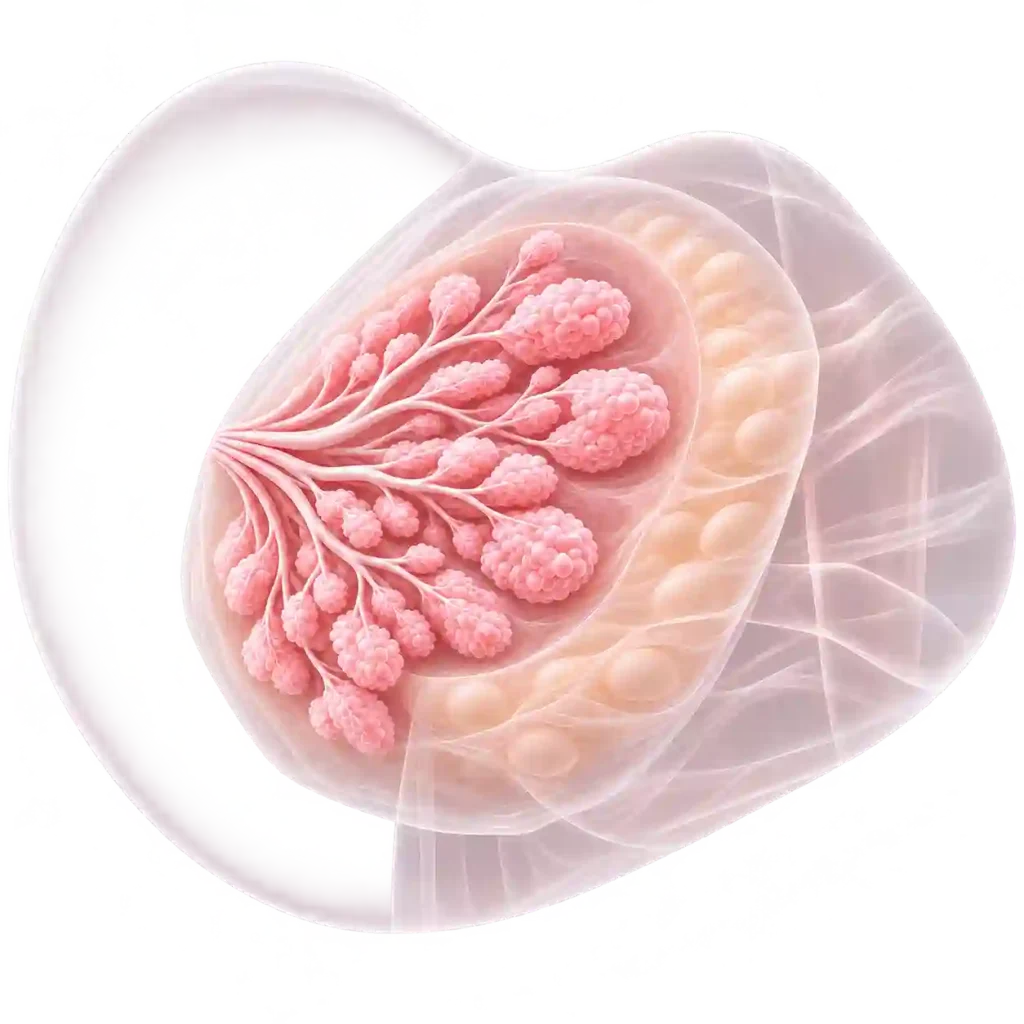

Recovery Deserves Comprehensive Care
A breast cancer diagnosis can change many aspects of a person’s life. As treatments have advanced, greater attention has been paid not only to controlling the disease but also to how people feel throughout recovery. For some, regaining mobility and energy is the highest priority; for others, it may be managing pain, undergoing breast reconstruction, or feeling comfortable in their bodies again. No two experiences are the same, and there is no single right way to navigate this journey. Comprehensive care recognizes these individual needs and supports each person’s decisions.
Breast Reconstruction: A Personal Decision
A mastectomy or breast-conserving surgery may result in changes to breast shape, volume, or symmetry. Reconstruction is an option, not an obligation. Depending on the treatment received, overall health, and personal preferences, it may involve implants, the patient’s own tissue, or a combination of techniques. Some people choose immediate reconstruction, others prefer to wait, and still others decide against it. Every choice deserves respect. Consultation with a reconstructive plastic surgeon and the oncology team can help clarify the available options, appropriate timing, and potential risks.
What Is Autologous Fat Grafting?
One technique used in breast reconstruction is autologous fat grafting. Fat is harvested from another area of the body, processed, and carefully injected into the breast. It may help smooth contour irregularities, improve symmetry, and complement reconstruction using implants or the patient’s own tissue. Not all transferred fat survives: some may be reabsorbed, and additional sessions may be needed. Small nodules, oil cysts, fat necrosis, or imaging findings requiring further evaluation may also occur. [1,2] Whether this approach is appropriate depends on previous surgery, radiation therapy, personal expectations, and an assessment by a reconstructive surgeon.
What Do We Know About Its Safety After Breast Cancer?
Safety after cancer is an essential consideration. Available studies have not identified a clear increase in recurrence among selected patients who underwent fat grafting after cancer treatment. However, this does not mean the procedure is risk-free or appropriate for everyone. Findings must be interpreted cautiously because the studies include different patient populations and follow-up periods. Decisions should therefore be made in collaboration with the oncology and reconstructive surgery teams, without interrupting routine cancer surveillance. [1–5]
Restoring Tissue Affected by Surgery or Radiation Therapy
Following surgery or radiation therapy, some people experience increased skin firmness, tightness, changes in breast contour, or persistent discomfort. Transferred fat contains living tissue and cellular components that have attracted research interest for their potential role in local tissue repair. Small clinical studies have reported improvements in certain characteristics of irradiated tissue following autologous fat grafting. A review of experimental models describes potential mechanisms related to fibrosis and tissue remodeling, but these findings do not establish consistent clinical effectiveness or justify promises that fibrosis or pain will resolve. [5–7] In practice, recovery also involves shoulder rehabilitation, pain management, scar care, tailored physical activity, and emotional support. Each intervention should address a specific need rather than assume that every treatment-related complication requires regenerative therapy. [7]

Well-Being, Movement, and Quality of Life
Recovery involves far more than physical appearance. After treatment, people may experience fatigue, sleep disturbances, limited shoulder mobility, concerns about body image, or fear of recurrence. Discussing these experiences with the healthcare team can help identify appropriate support, including physical therapy, adapted exercise, psychological care, symptom management, and sexual health counseling. It is also important to seek medical evaluation for a new lump, persistent skin changes, worsening pain, or other concerning symptoms. Emotional well-being is an integral part of medical care and should never be treated as an afterthought.
Regenerative Medicine: Emerging Possibilities for Recovery and Well-Being
Regenerative medicine seeks to understand how the body naturally repairs tissues and how this knowledge might improve patient care. This field is particularly relevant to breast cancer because recovery may continue long after cancer treatment has ended. Scars, skin changes, tightness, and discomfort related to surgery or radiation therapy also deserve attention.
Available studies have yielded preliminary findings in certain reconstructive and experimental applications. However, more rigorous clinical research and longer follow-up are needed to establish the benefits and safety of different interventions, particularly for people with a history of cancer.
Stem Cells: Understanding the Body’s Natural Repair Processes
Mesenchymal stem cells can be obtained from tissues such as bone marrow and body fat, as well as birth-associated tissues, including the umbilical cord. They have attracted scientific interest because they communicate with other cells and release substances involved in various biological processes. Researchers are investigating how these signals influence inflammation, tissue maintenance, and repair following injury.
In people who have undergone breast cancer treatment, researchers are exploring whether a better understanding of mesenchymal cells could help explain tissue changes associated with surgery and radiation therapy. This is not evidence that administering stem cells can treat these complications. Studies of fat grafts enriched with adipose-derived cells concern a specific reconstructive intervention; their findings cannot be extrapolated to other routes of administration. Uncertainties remain regarding long-term oncologic safety. [7,8]
Exosomes: Tiny Messengers Generating Scientific Interest
Exosomes are extremely small particles naturally released by cells. They can be thought of as tiny messengers carrying proteins, lipids, and fragments of genetic material between cells. They belong to a broader family known as extracellular vesicles and provide insight into how tissues communicate.
This ability to carry information has raised new scientific questions. In breast cancer, researchers are studying how extracellular vesicles contribute to communication between tumors and their surrounding environment, as well as their potential experimental use as drug-delivery vehicles. The cited findings come primarily from preclinical studies and do not demonstrate the effectiveness or safety of exosome-based treatments in patients. [9]
Research, Support, and Informed Decisions
Advances in stem cell and exosome research are deepening our understanding of how the body communicates and adapts. Their value lies in opening avenues for future investigation that may eventually contribute to more personalized care. In the meantime, evidence-based reconstruction and rehabilitation, together with ongoing oncology follow-up and emotional support, remain central to recovery.
Precision Medicine: Understanding Individual Risk
Genetics can help explain why some people have a greater predisposition to breast cancer. The BRCA1 and BRCA2 genes are involved in DNA repair; certain inherited pathogenic variants increase risk, although most breast cancer diagnoses cannot be attributed solely to these genes. A family history of breast cancer does not necessarily indicate an inherited variant, and the absence of such a history does not eliminate risk. When personal or family history warrants it, the healthcare team may recommend genetic counseling and targeted testing. Another tool under investigation and in selective clinical use is the polygenic risk score, which combines the small contributions of many common genetic variants to estimate susceptibility. It does not diagnose cancer or predict with certainty who will develop it. Interpretation requires consideration of age, family history, clinical risk factors, and, when appropriate, breast density. Recommendations for its use continue to evolve, and performance may differ across populations with different genetic ancestries. [10–12] Genetics also plays a role after a cancer diagnosis: specific molecular features of a tumor may help guide treatment selection. It is important to distinguish tests that assess inherited risk from tests that analyze the tumor to inform treatment decisions. In either case, results require professional interpretation and a clear discussion of what they can—and cannot—tell us.
3D Organoids: Small Models, Big Questions
Organoids are small, three-dimensional models grown in the laboratory from tumor cells. They allow researchers to observe certain tumor characteristics and study responses to different medications under controlled conditions. They are valuable tools for investigating the diversity of breast cancer and exploring new strategies, although they do not yet replace established clinical tests or treatment decisions. [13,14]
These tools illustrate how precision medicine can complement clinical knowledge. Genetics helps assess risk and certain cancer characteristics, while organoids support research into treatment response.
Neither is, in itself, a regenerative therapy, and neither replaces early detection or established oncology care.
Informed Choices, Support, and Hope
Every stage of breast cancer brings different questions. Anyone considering reconstruction or an intervention to address treatment-related complications deserves clear information about expected benefits, available alternatives, potential risks, and remaining uncertainties.
Collaboration among oncology, reconstructive surgery, rehabilitation, and other healthcare professionals makes it possible to develop care plans tailored to individual needs. Research continues to expand the possibilities for recovery and personalized care. As these advances mature, the best starting point remains an individualized assessment, continued oncology follow-up, and respect for each person’s preferences.
Speak to Stemwell today to find out more

Stem cell therapy represents an exciting new treatment avenue for hamstring injuries, with the potential to promote quicker healing and improve your overall quality of life. Our expert team at Stemwell are dedicated to supporting you and finding the right treatment option to meet your needs.
If you would like to find out more about stem cell therapy you can contact us with any questions, or apply today to check your eligibility.
References
1.Lo Torto F, Patanè L, Abbaticchio D, Pagnotta A, Ribuffo D. Autologous Fat Grafting (AFG): A Systematic Review to Evaluate Oncological Safety in Breast Cancer Patients. J Clin Med. 2024;13(15):4369. doi:10.3390/jcm13154369. https://pubmed.ncbi.nlm.nih.gov/39124636/
2.Goncalves R, Mota BS, Sobreira-Lima B, et al. The oncological safety of autologous fat grafting: a systematic review and meta-analysis. BMC Cancer. 2022;22:391. doi:10.1186/s12885-022-09485-5. https://pubmed.ncbi.nlm.nih.gov/35410265/
3.Sun J, Liang H, Lin D, Han B, Zhang T, Gao J. Oncological safety of reconstruction with autologous fat grafting in breast cancer patients: a systematic review and meta-analysis. Int J Clin Oncol. 2022;27:1379-1385. doi:10.1007/s10147-022-02207-8. https://pubmed.ncbi.nlm.nih.gov/35790652/
4.Tukiama R, Vieira RAC, Moura ECR, et al. Oncologic safety of breast reconstruction with autologous fat grafting: A systematic review and meta-analysis. Eur J Surg Oncol. 2022;48(4):727-735. doi:10.1016/j.ejso.2021.12.017. https://pubmed.ncbi.nlm.nih.gov/34972623/
5.Strong AL, Syrjamaki JD, Kamdar N, Wilkins EG, Sears ED. Oncological Safety of Autologous Fat Grafting for Breast Reconstruction. Ann Plast Surg. 2024;92(1):21-27. doi:10.1097/SAP.0000000000003772. https://pubmed.ncbi.nlm.nih.gov/38117044/
6.Wang K, Yu Z, Rong X, et al. Meta-Analysis of the Oncological Safety of Autologous Fat Grafting After Breast Cancer on Basic Science and Clinical Studies. Aesthetic Plast Surg. 2023;47(4):1245-1257. doi:10.1007/s00266-022-03217-7. https://pubmed.ncbi.nlm.nih.gov/36542092/
7.Pattani N, Sanghera J, Langridge BJ, Frommer ML, Abu-Hanna J, Butler P. Exploring the mechanisms behind autologous lipotransfer for radiation-induced fibrosis: A systematic review. PLoS One. 2024;19(1):e0292013. doi:10.1371/journal.pone.0292013. https://pubmed.ncbi.nlm.nih.gov/38271326/
8.Shimizu Y, Inoue Y, Sowa Y, Matsuura N, Matsuura R, Asato R, et al. Adipose-Derived Stem Cell-Enhanced versus Conventional Fat Grafting for Breast Reconstruction: A Systematic Review and Meta-Analysis. Plast Reconstr Surg. 2026;157(3):338e-349e. doi:10.1097/PRS.0000000000012421. https://pubmed.ncbi.nlm.nih.gov/40899825/
9.Mussin NM, Zhilisbayeva KR, Baspakova A, et al. Mesenchymal stem cell-derived extracellular vesicle therapy in breast cancer: A systematic review and meta-analysis of in vitro studies. Mol Ther Oncol. 2026;34(1):201107. doi:10.1016/j.omton.2025.201107. https://pubmed.ncbi.nlm.nih.gov/41510212/
10.Padrik P, Tõnisson N, Hovda T, et al. Guidance for the Clinical Use of the Breast Cancer Polygenic Risk Scores. Cancers (Basel). 2025;17(7):1056. doi:10.3390/cancers17071056. https://pubmed.ncbi.nlm.nih.gov/40227593/
11.Mabey B, Hughes E, Kucera M, et al. Validation of a clinical breast cancer risk assessment tool combining a polygenic score for all ancestries with traditional risk factors. Genet Med. 2024;26(7):101128. doi:10.1016/j.gim.2024.101128. https://pubmed.ncbi.nlm.nih.gov/38829299/
12.Velasco Parra HM, Cardona DS, Buitrago CA, Naranjo Vanegas M, Gutiérrez Hincapié S, Jaramillo Jaramillo C, et al. Clinical validation of an integrated risk assessment test incorporating genomic and non-genomic data for sporadic breast cancer in Colombia. Front Genet. 2025;16:1556907. doi:10.3389/fgene.2025.1556907. https://pubmed.ncbi.nlm.nih.gov/40672395/
13.Leung D, Kaur J, Richardson G, Jardé T. Breast cancer organoids: Advancements and applications in precision medicine. Crit Rev Oncol Hematol. 2025;214:104914. doi:10.1016/j.critrevonc.2025.104914. https://pubmed.ncbi.nlm.nih.gov/40865700/
14.Bui TBV, Wolf DM, Bruck MC, Moore K, Lien J, Choi SDW, et al. Biomarker-guided responses in patient-derived organoids predict effective therapies in breast cancer. Cell Rep Med. 2026;7(8):102973. doi:10.1016/j.xcrm.2026.102973. https://pubmed.ncbi.nlm.nih.gov/42561946/
